Tradition
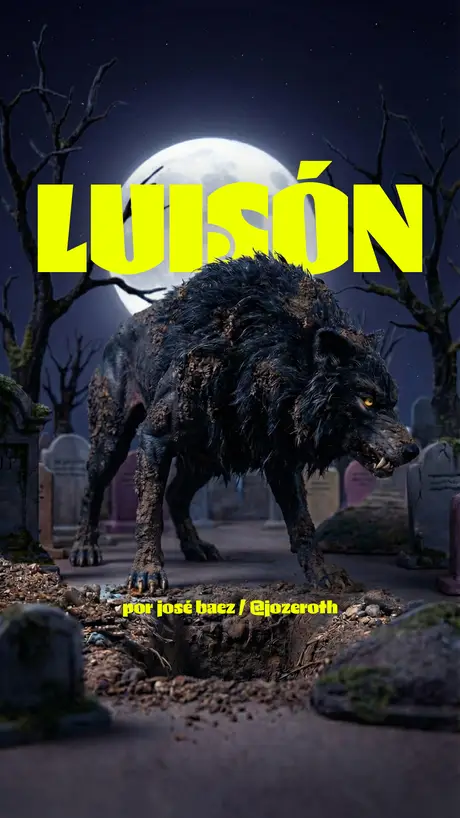
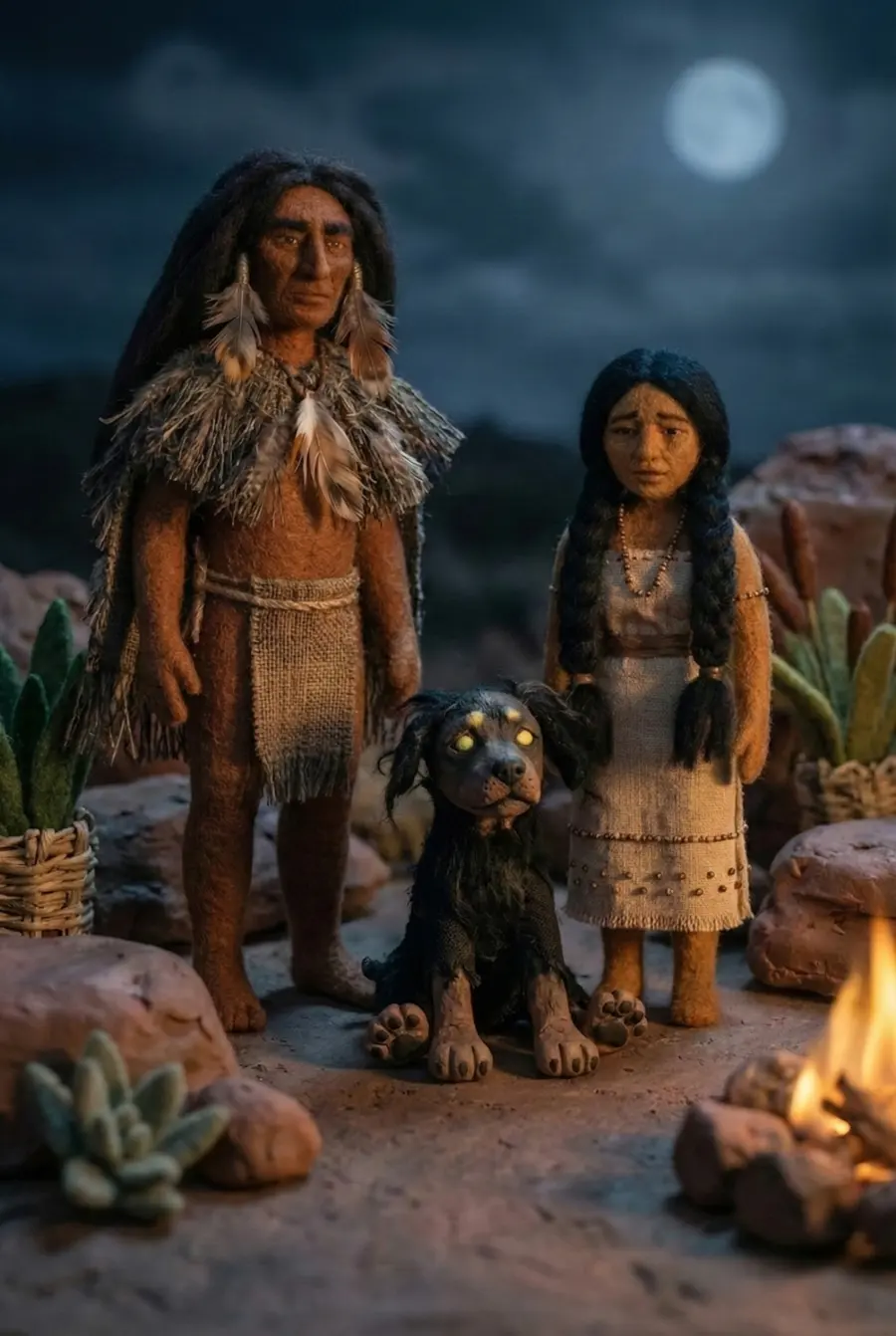
In Guaraní mythology, Luisón is the seventh child of Taú and Keraná.
 7/7

The werewolf, also called Lobisón or Huicho
Tap the map to zoom inTap again to zoom out
Variant Colmán ties him to cemeteries, naming none. He goes from town to town.
Scores made up by this saga, for fun.
Tap the card to see the back
Grab the page and turn it
In Guaraní mythology, Luisón is the seventh child of Taú and Keraná.
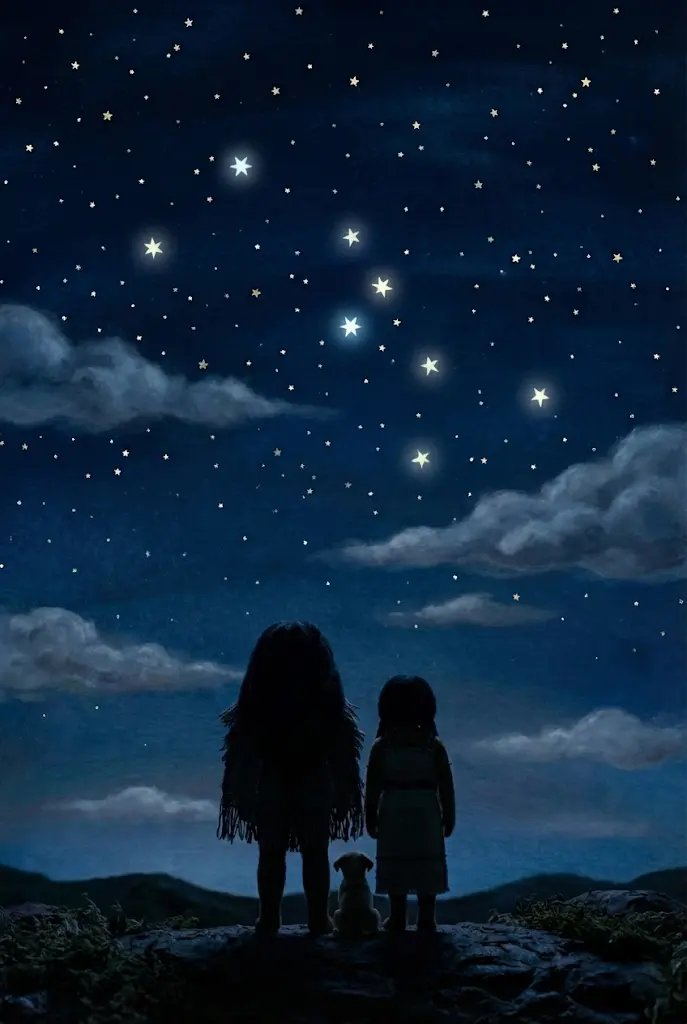
At his birth, the sky lit up with the Seven Sisters.
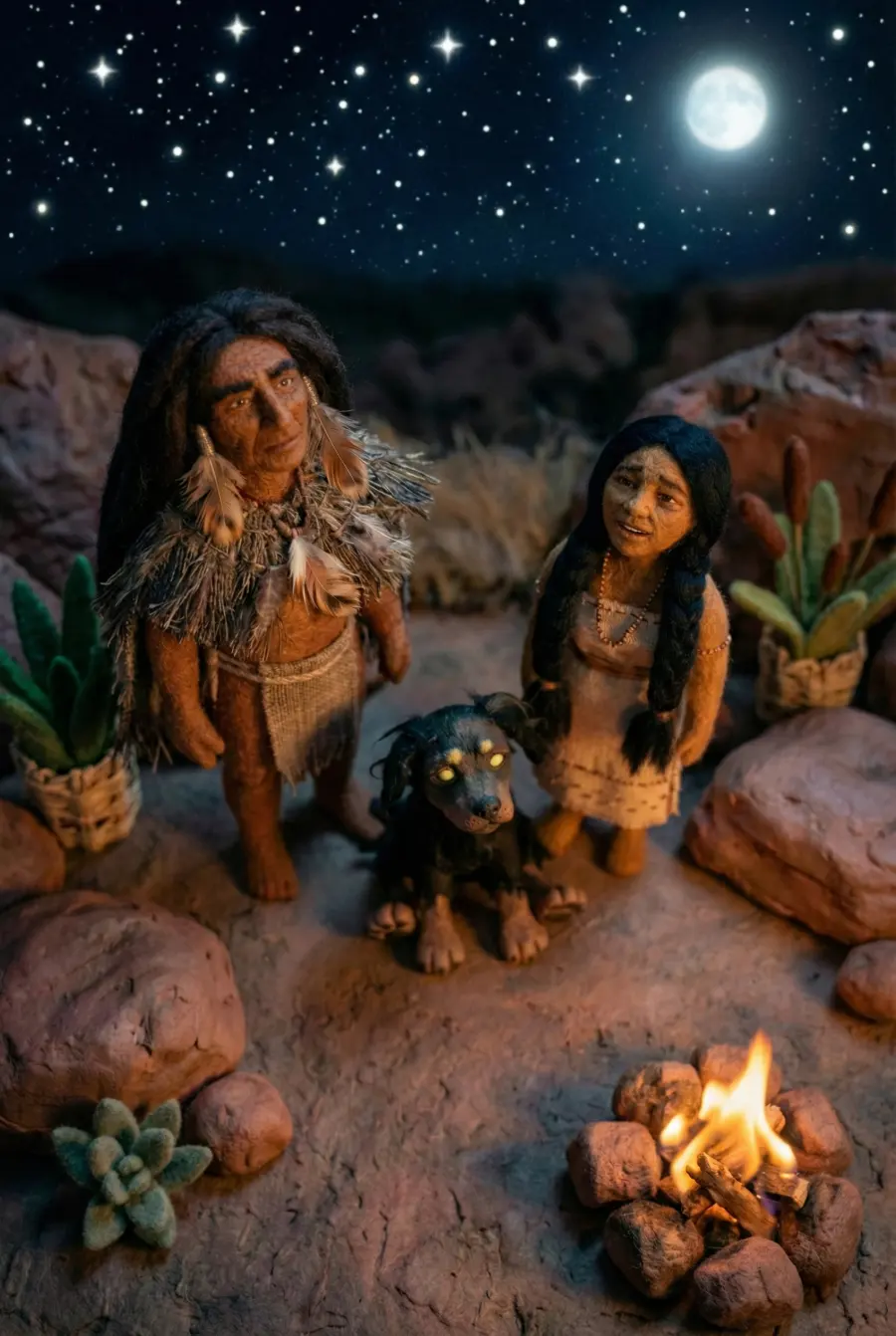
That glow marked the end of the curse that weighed on his parents.
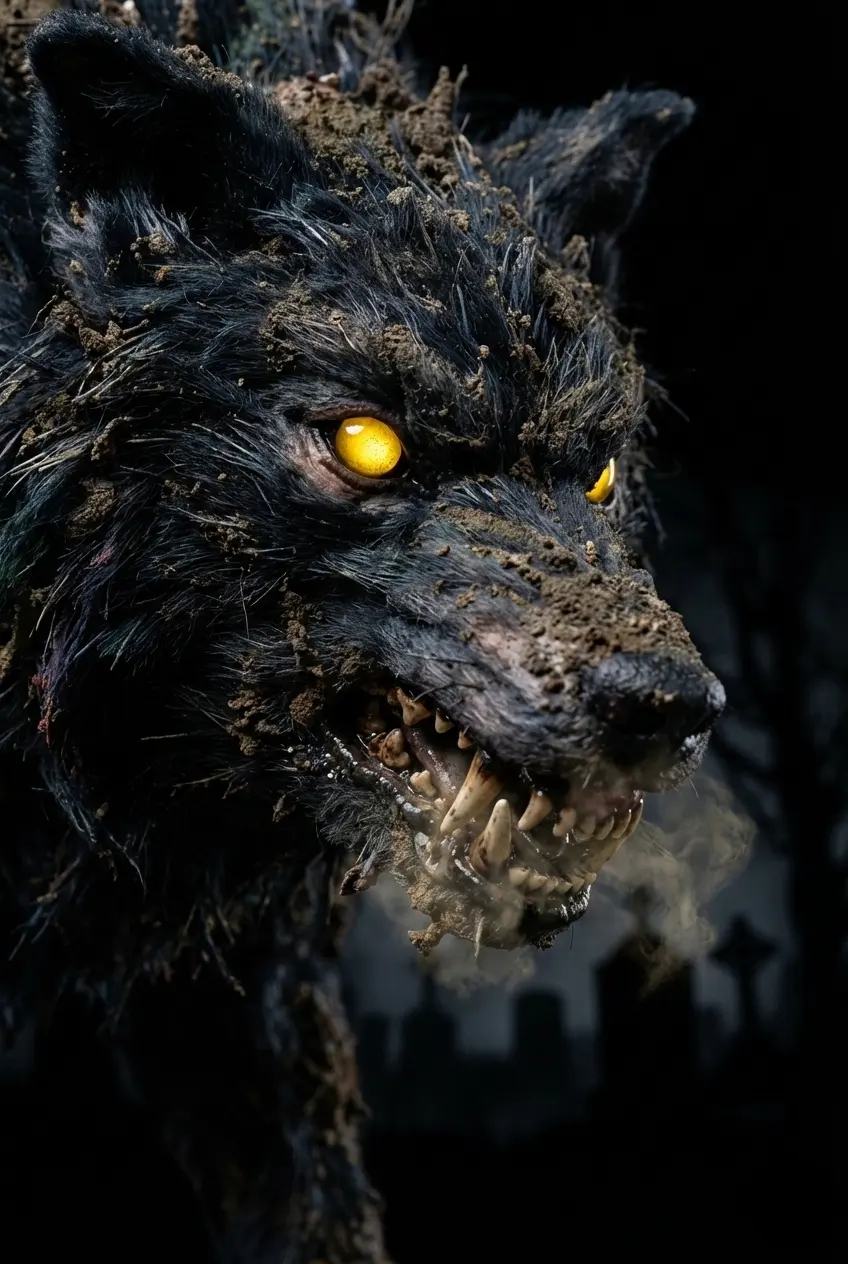
But not on him. On Luisón fell the worst of all sentences.
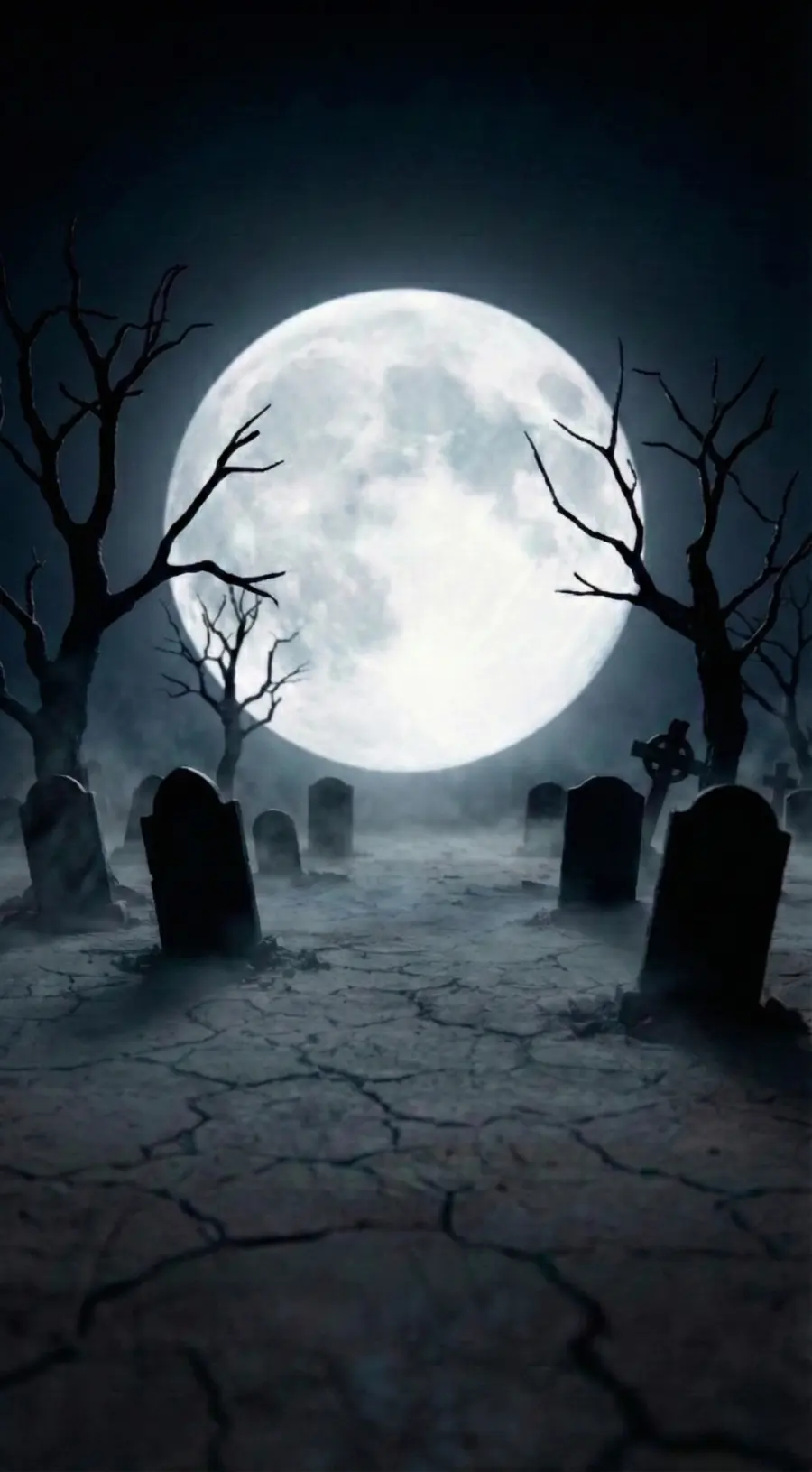
He lives on the border between life and death, where the fate of the soul can be lost forever.
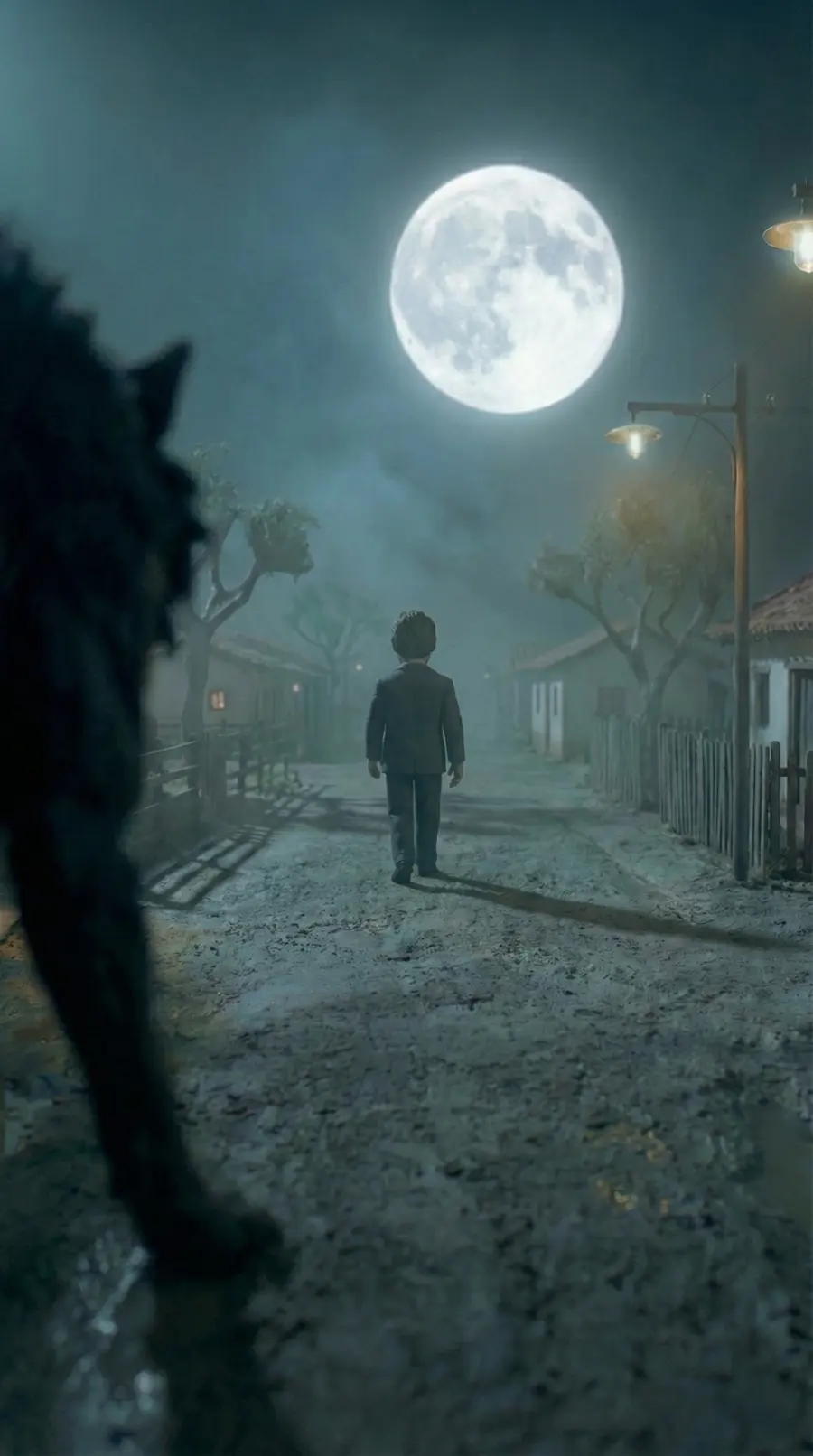
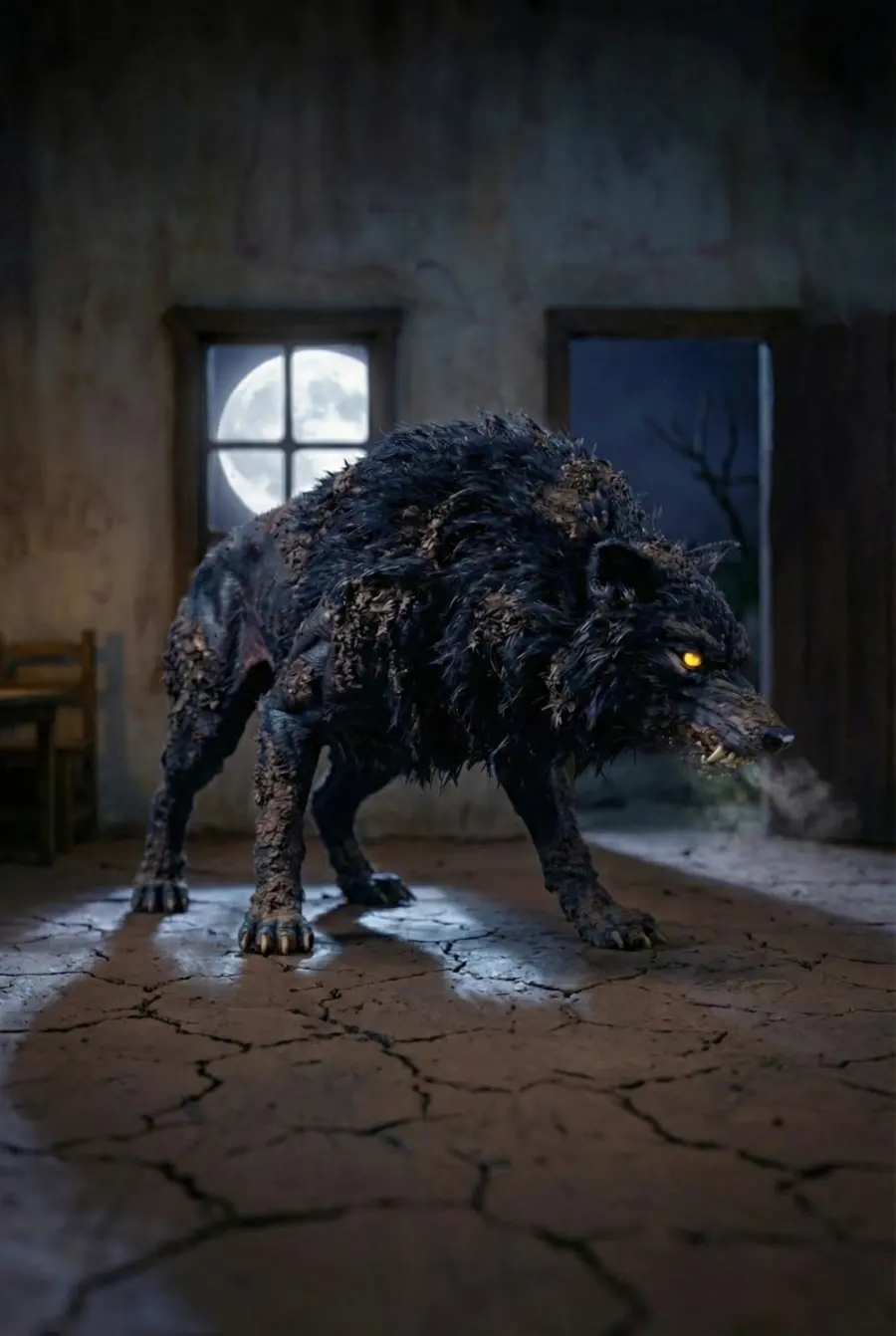
On Tuesdays and Fridays, when night falls, he loses his human form
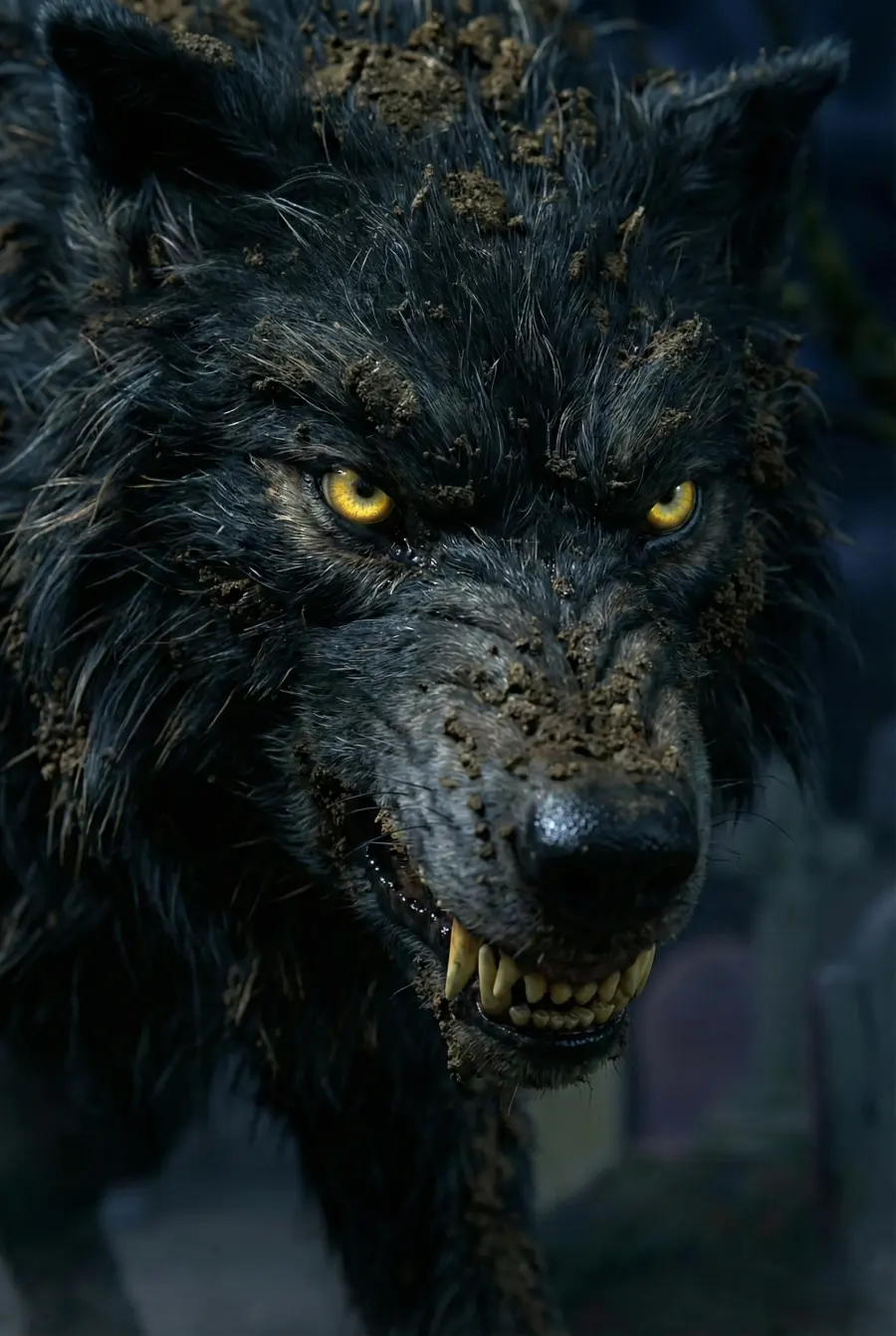
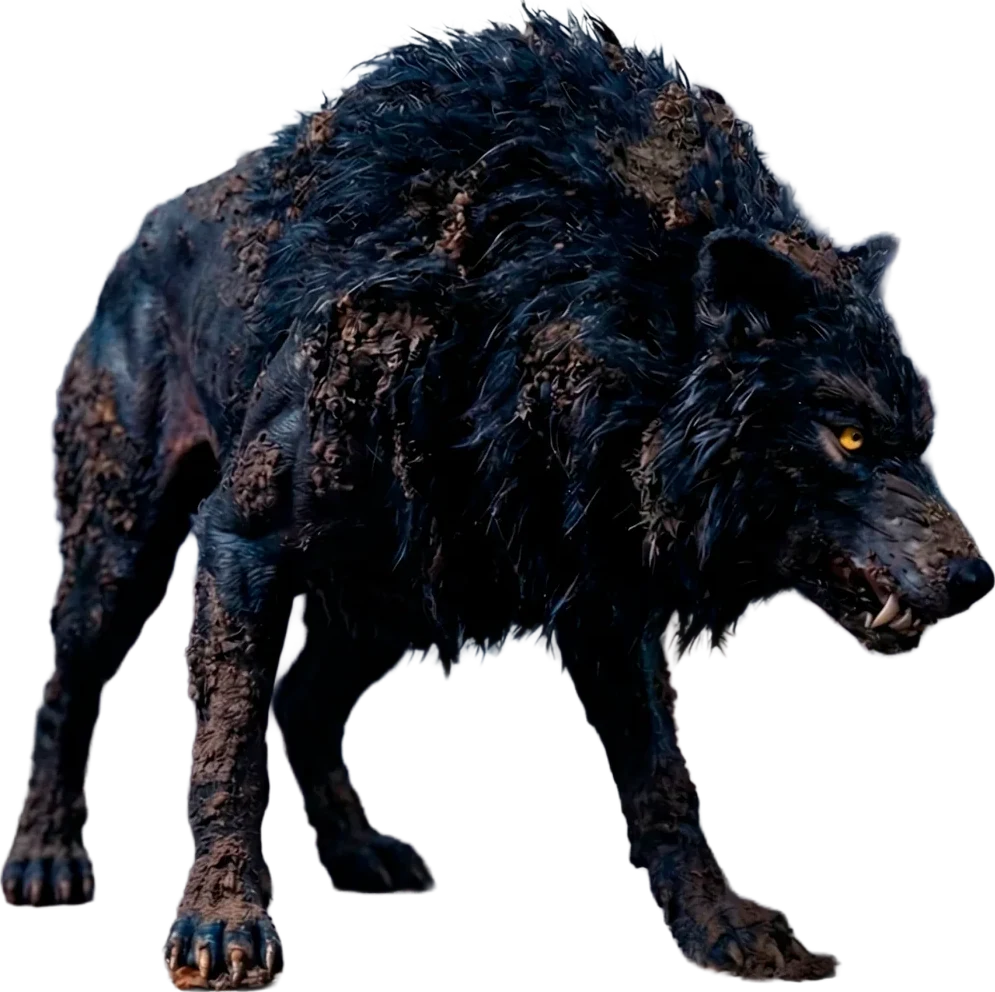
and turns into a monstrous dog, with sharp teeth and a sickening smell.
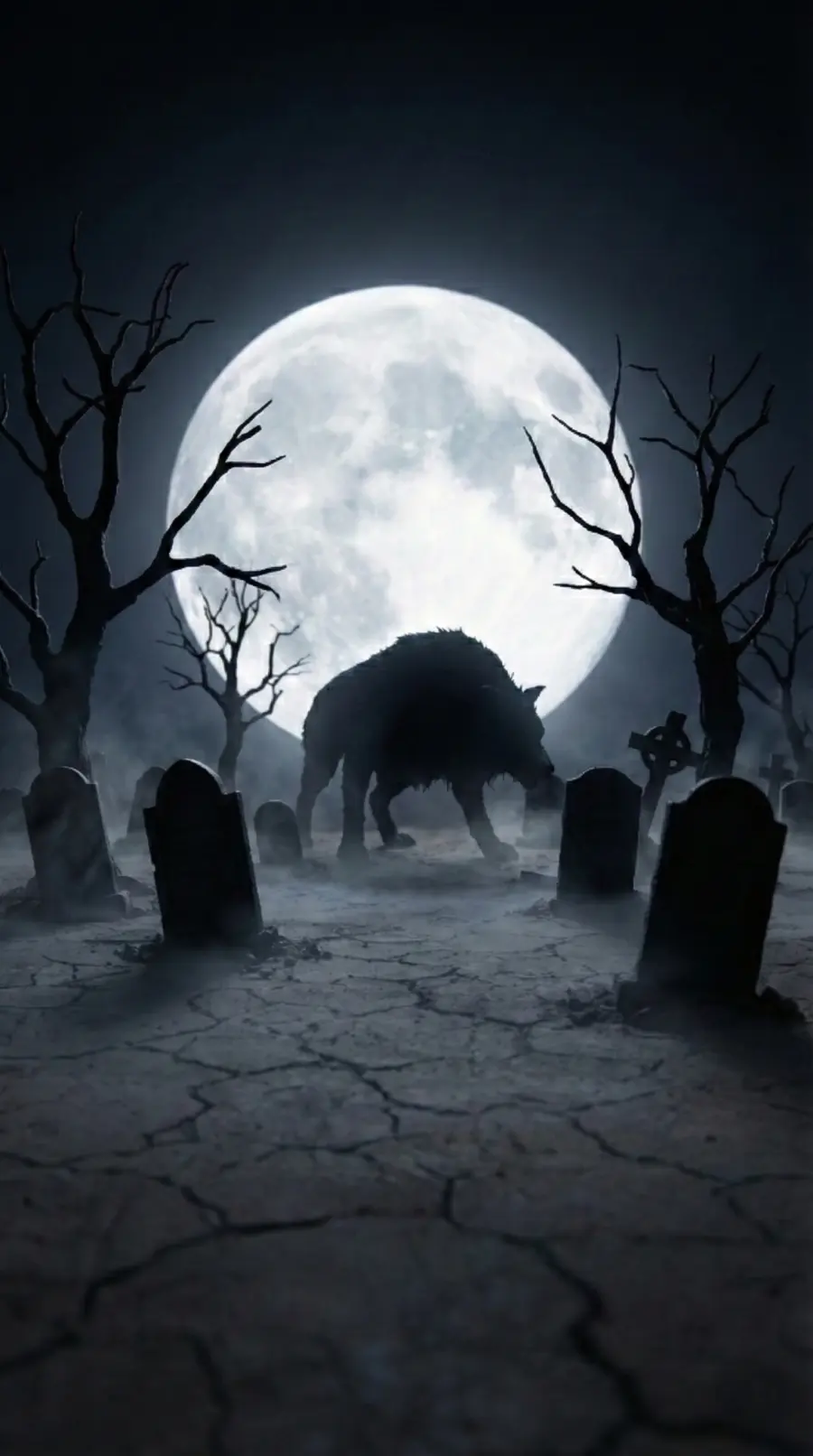
He seeks out cemeteries. He rolls among the dead.
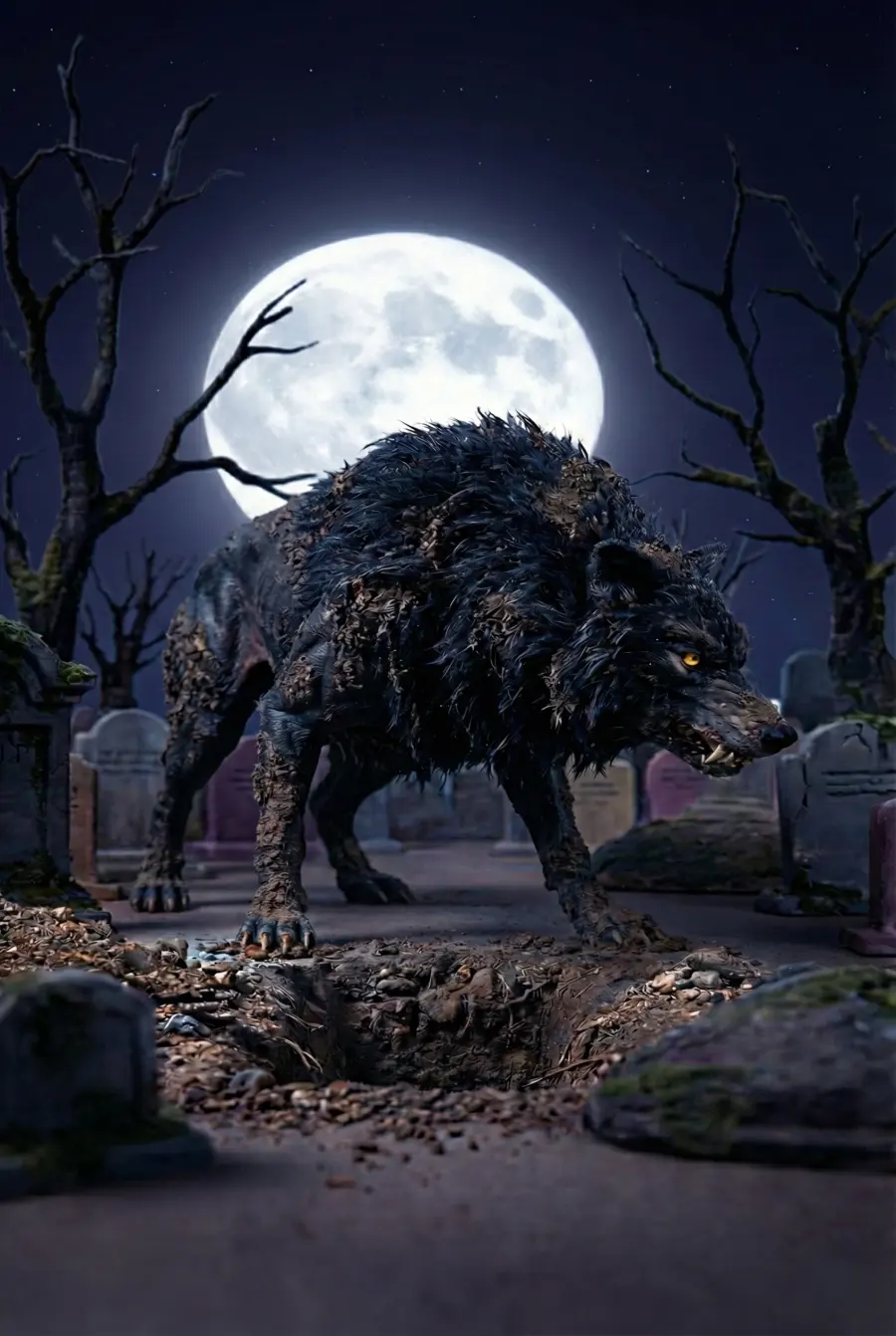
And at midnight he goes out to hunt the living.
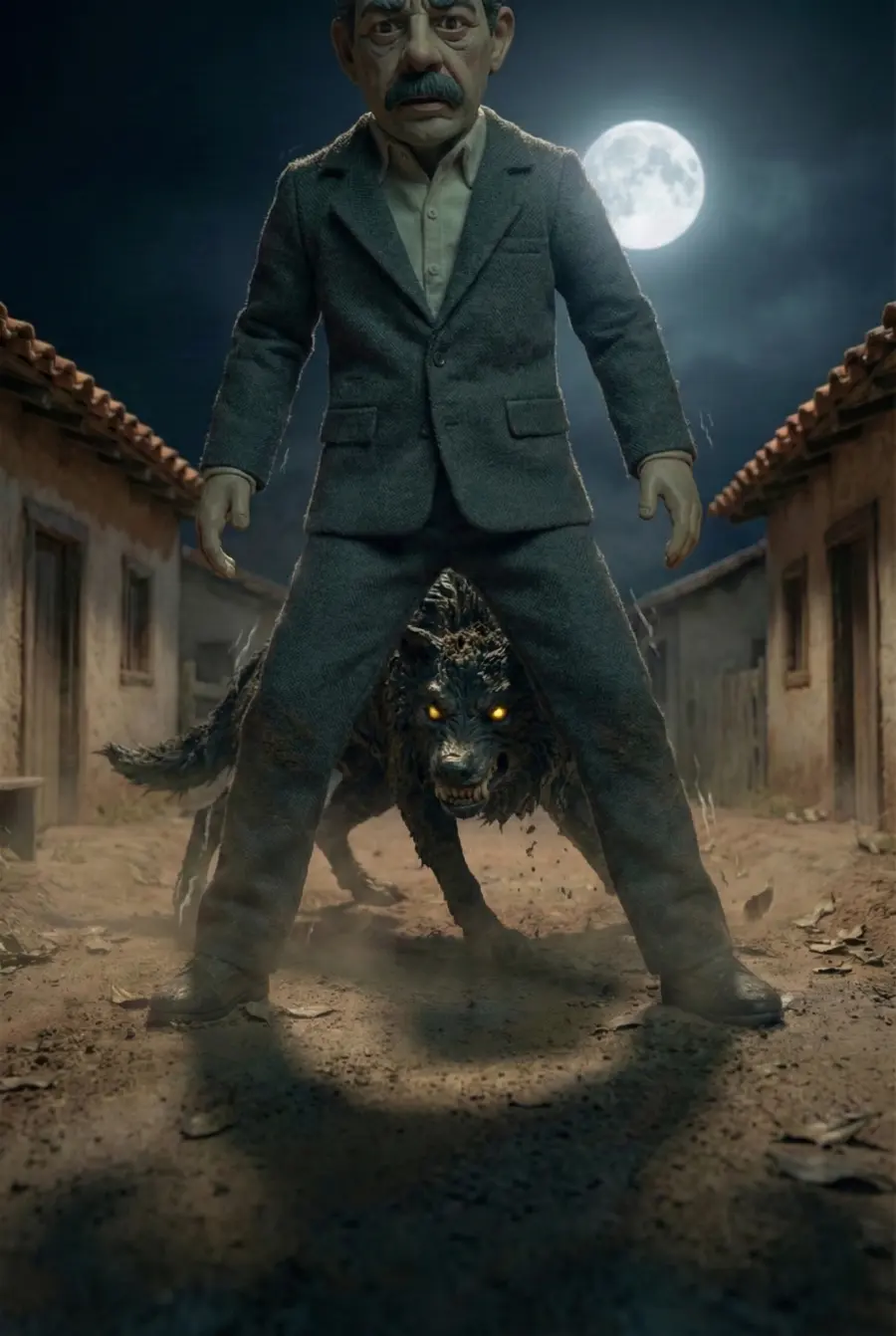
With a kiss on the forehead, or by passing between a man's legs, he can turn him into another Luisón.
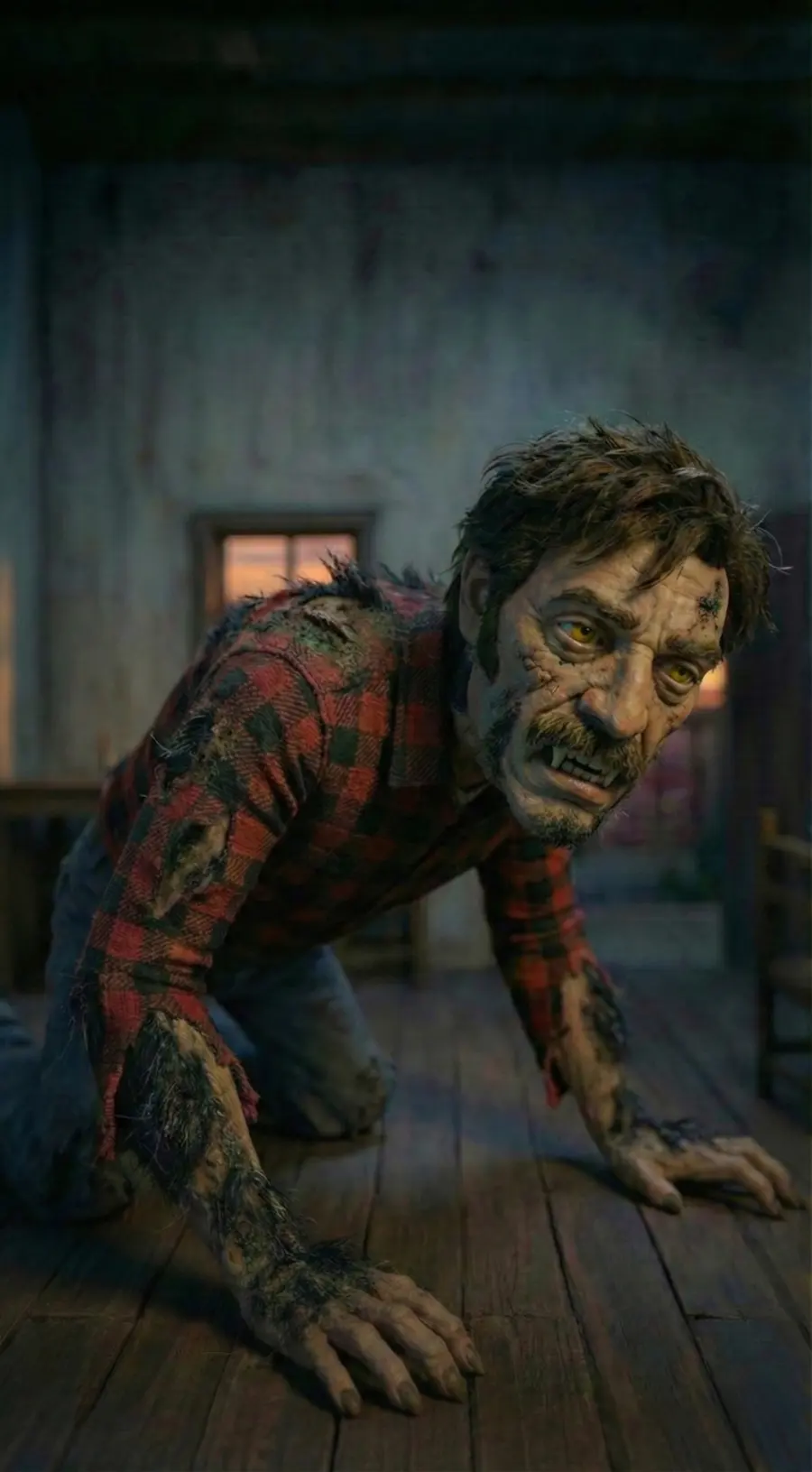
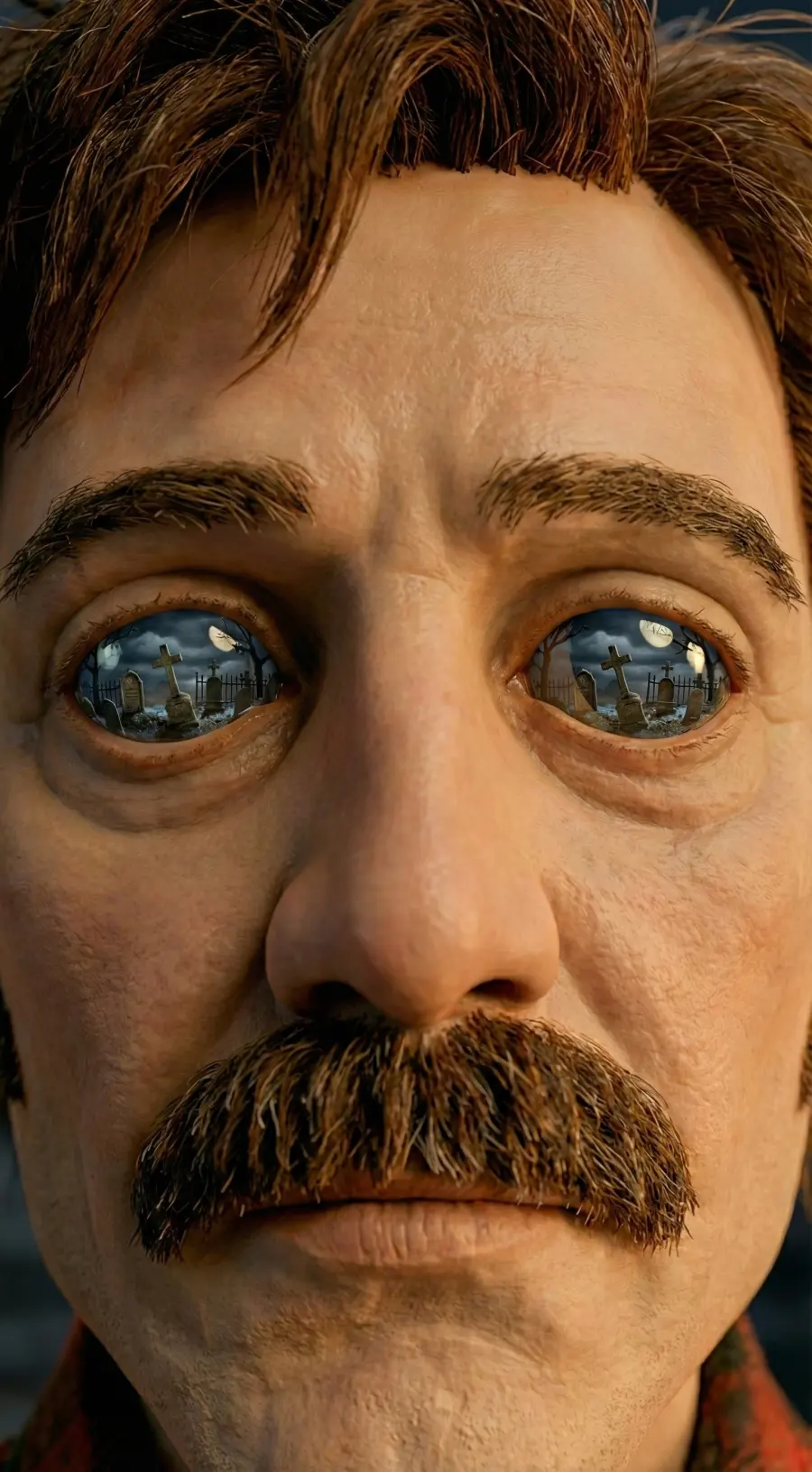
At dawn, he becomes human again: dirty, tired, with a look that no longer seems human.
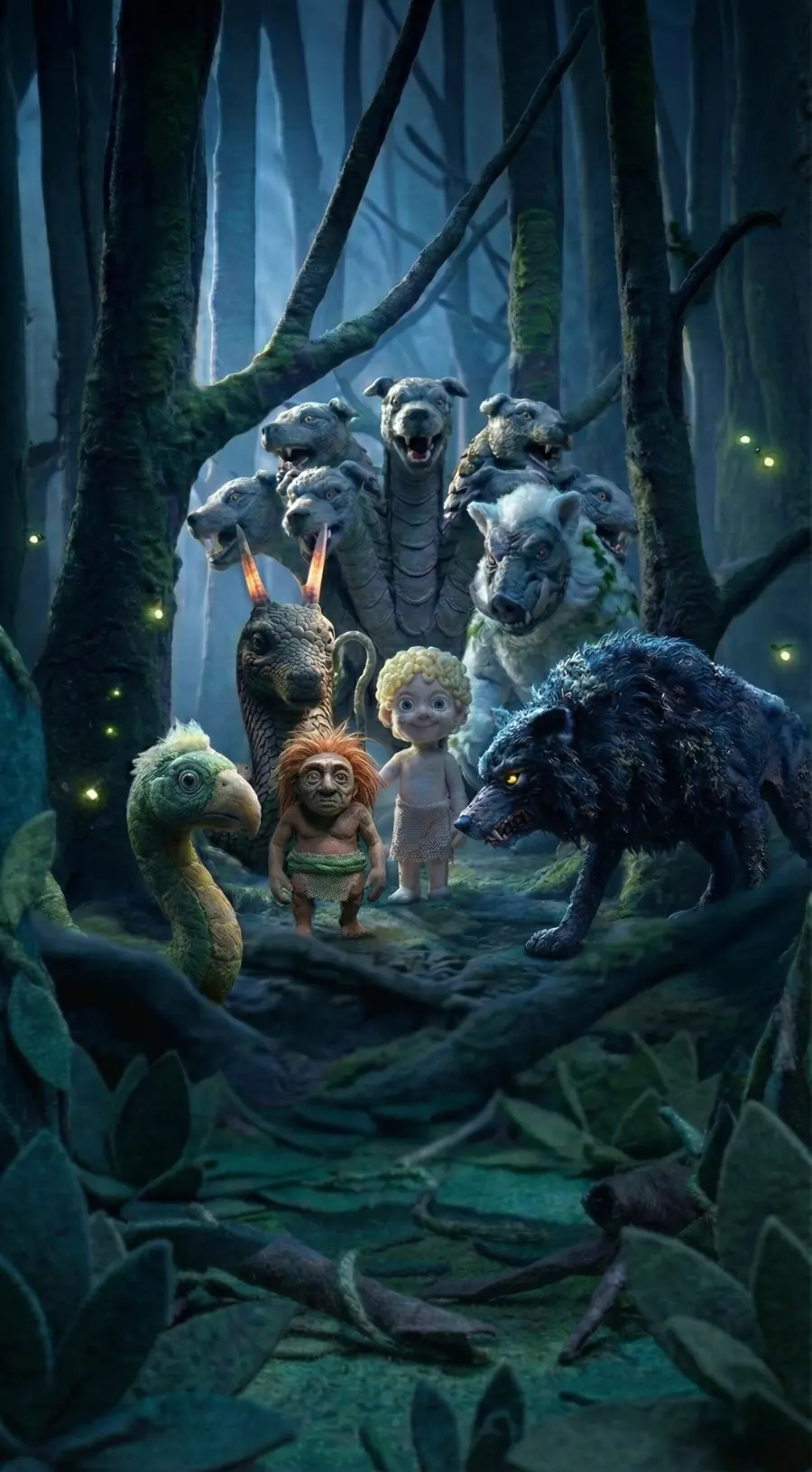
Since then, Luisón and his brothers keep lurking in the Guaraní Region.
Sixteen frames, as in stop motion. Slide to animate.
The people who appear in the Luisón video are inspired by the cast of Sombras en la noche, the Paraguayan suspense series aired by Canal 13 from 1993 to 1996: Clotilde Cabral, Wilfrido Acosta, Jorge Ramos and Rubén Vysokolán, whom we remember fondly. It is a tribute made with admiration. This site has no connection with the original production.
Tap a number to zoom in.
He is the seventh child, lord of the night and companion of the Fates, ruler of cemeteries.1
In Colmán, the Seven Sisters do not appear at his birth: they form after the fire, from the purified souls of the seven brothers.1
Tuesdays and Fridays come from popular tales. Colmán mentions no days of the week.1
The belief says a family's seventh son becomes a Luisón. In Argentina, that idea is tied to presidential godparenthood.23
Part of his story came from Europe, with the werewolf figure, and blended with local tales.34
Passing between the legs or licking the forehead passes on the curse, according to collected folklore.2