Saga
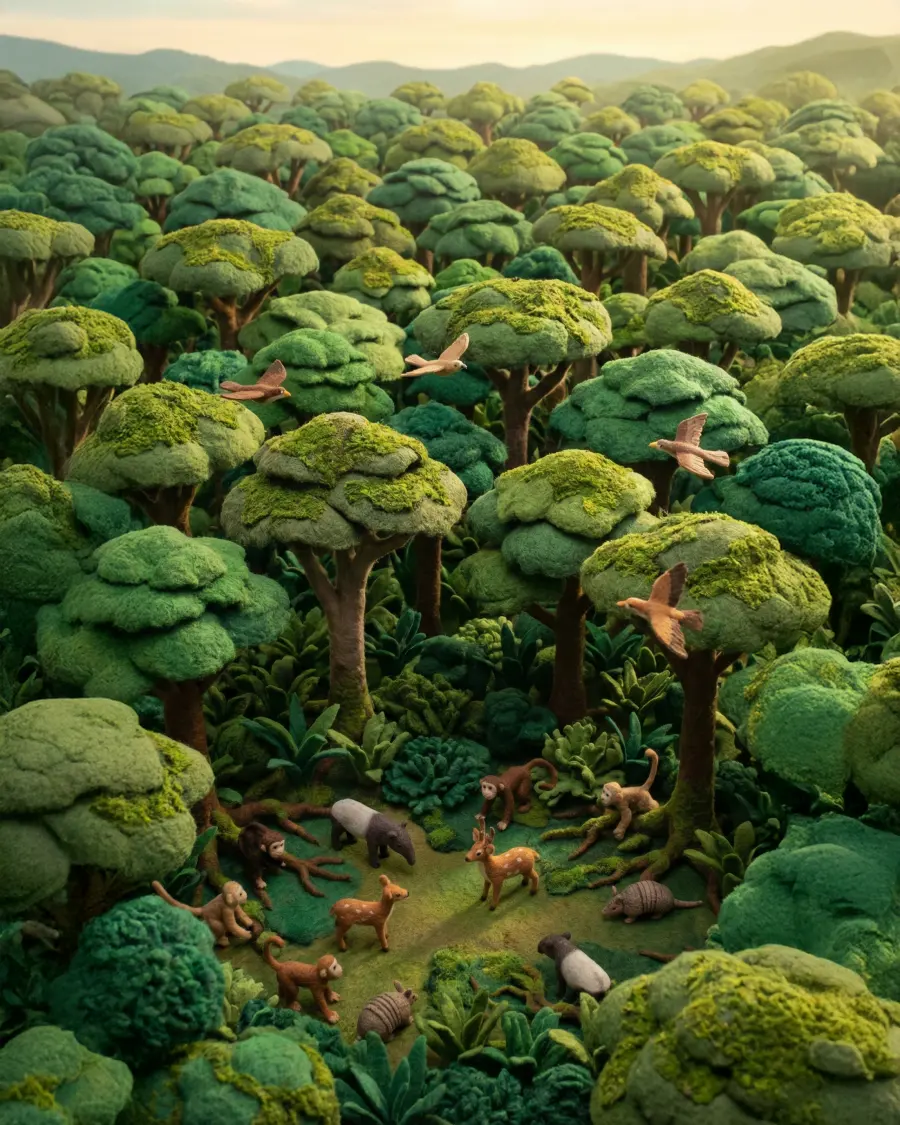
In the ancient Guaraní land, in the region the wise called the Land Without Evil,
 3/7

A name of uncertain origin
Tap the map to zoom inTap again to zoom out
Variant Colmán places one of his caves there.
Scores made up by this saga, for fun.
Tap the card to see the back
Grab the page and turn it
In the ancient Guaraní land, in the region the wise called the Land Without Evil,
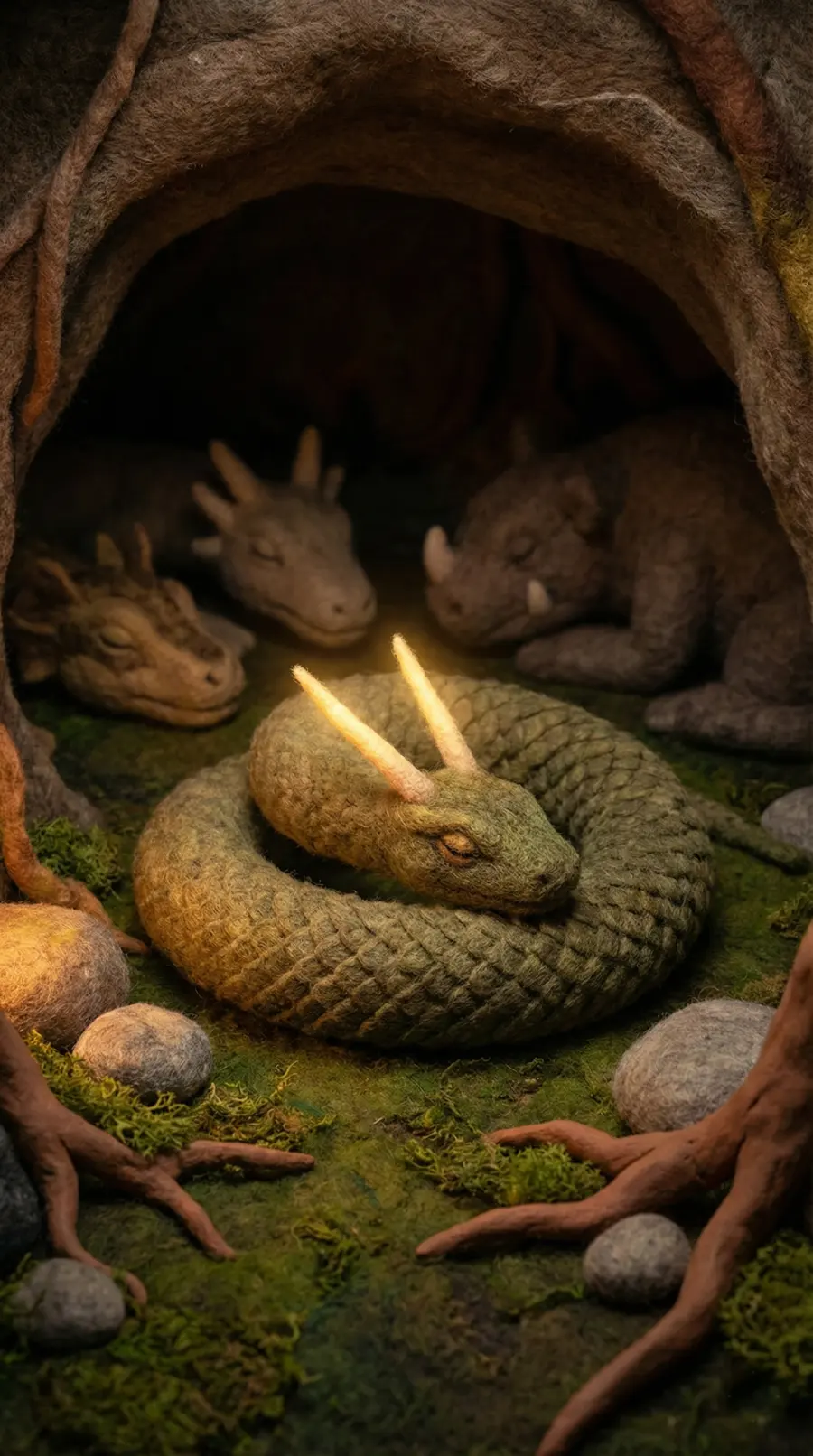
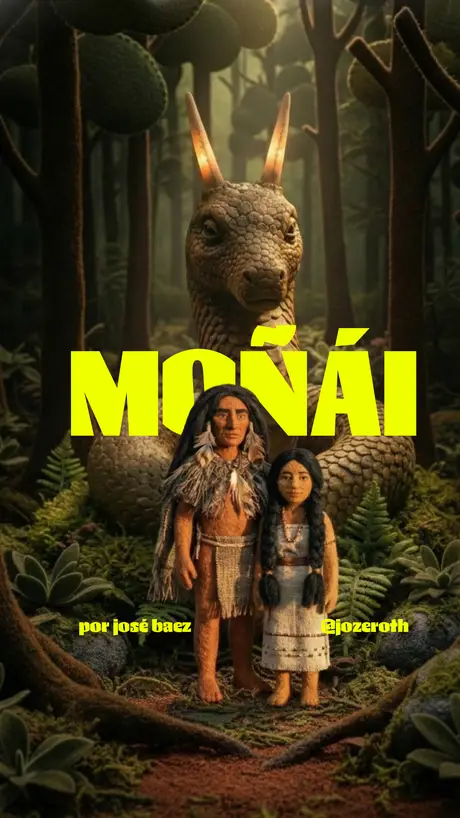
Moñái was born of fear and night.
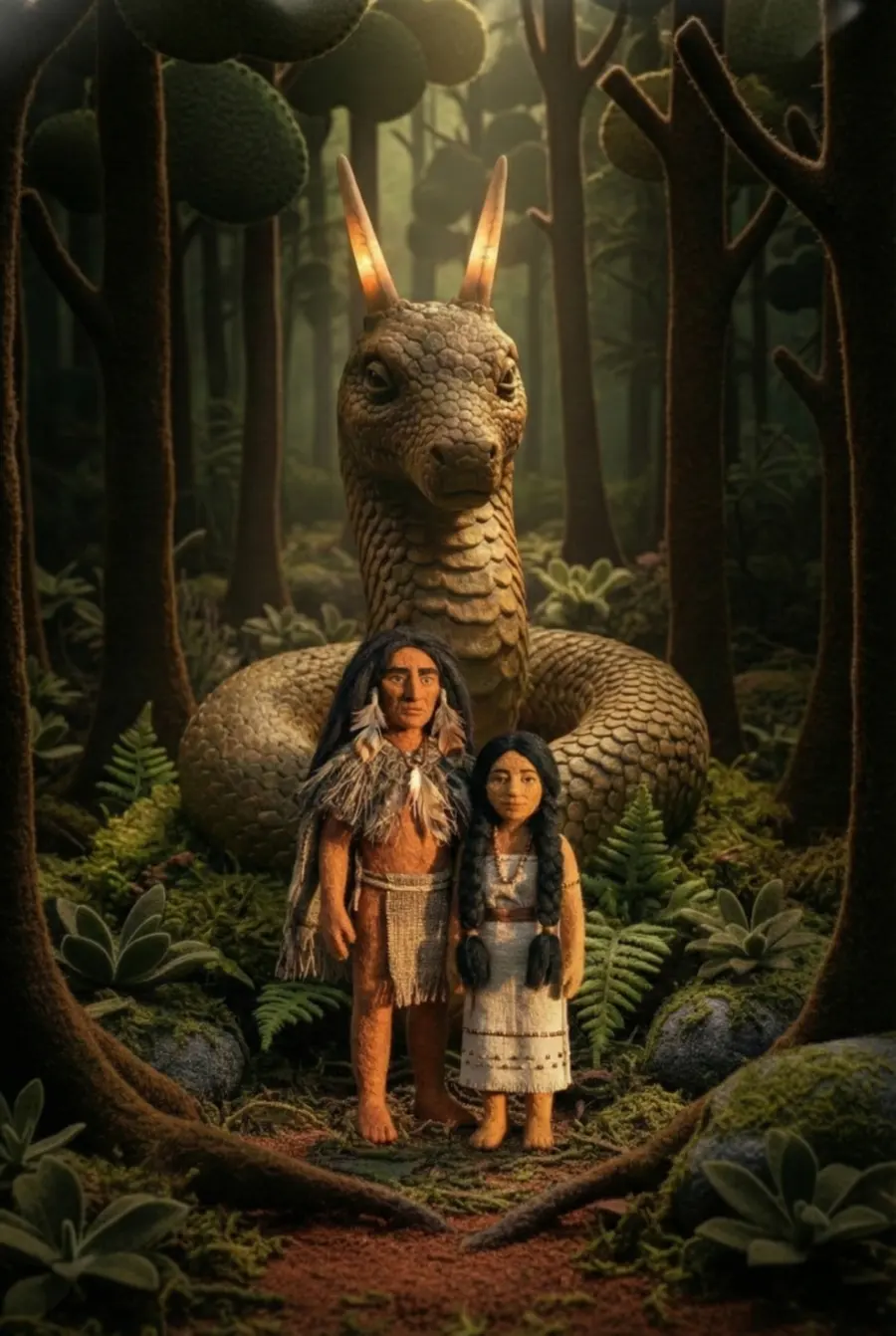
He was the third child of Taú and Keraná, the dark couple who gave rise to the seven monsters.
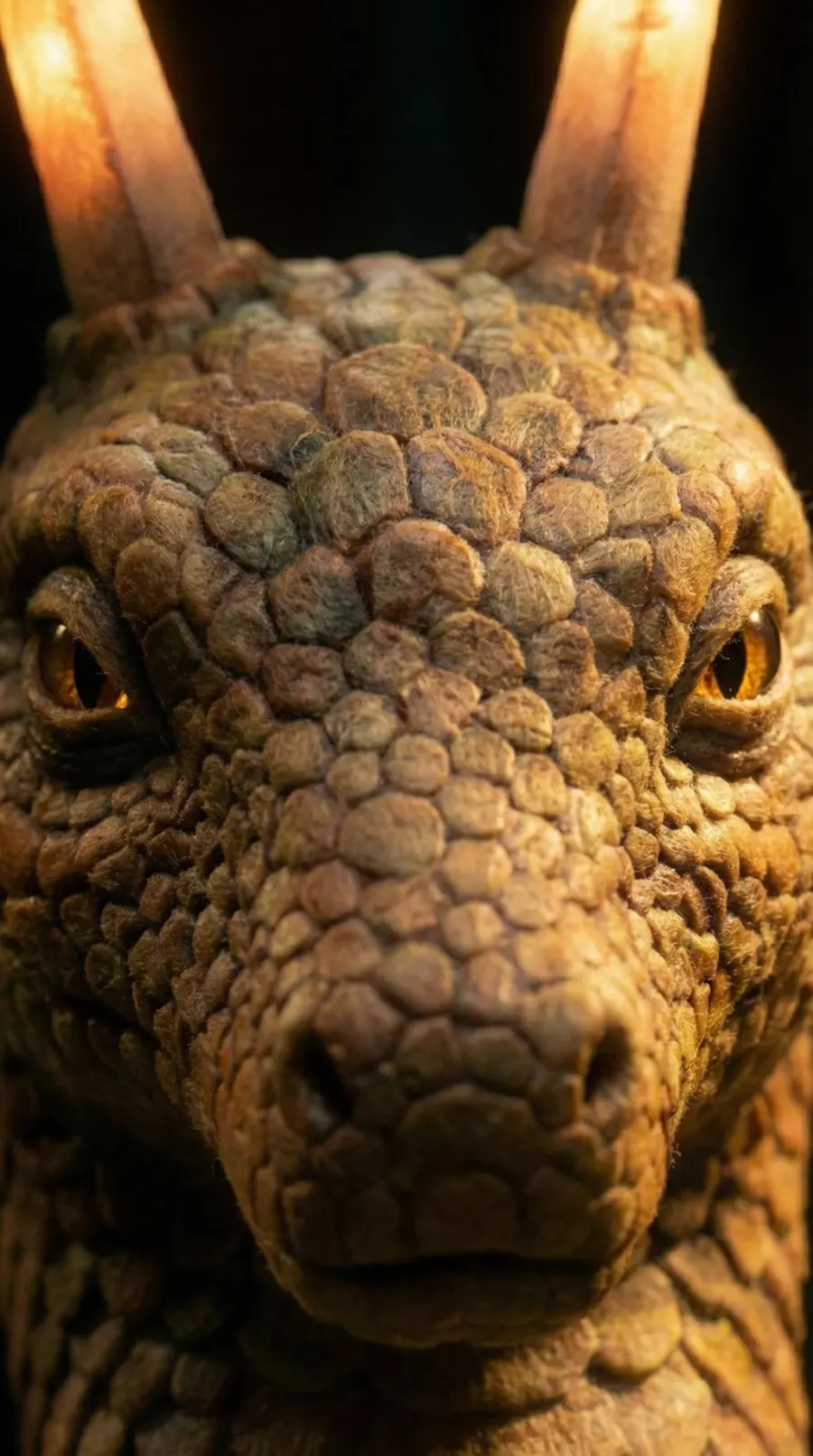
He was lord of the air and the fields.
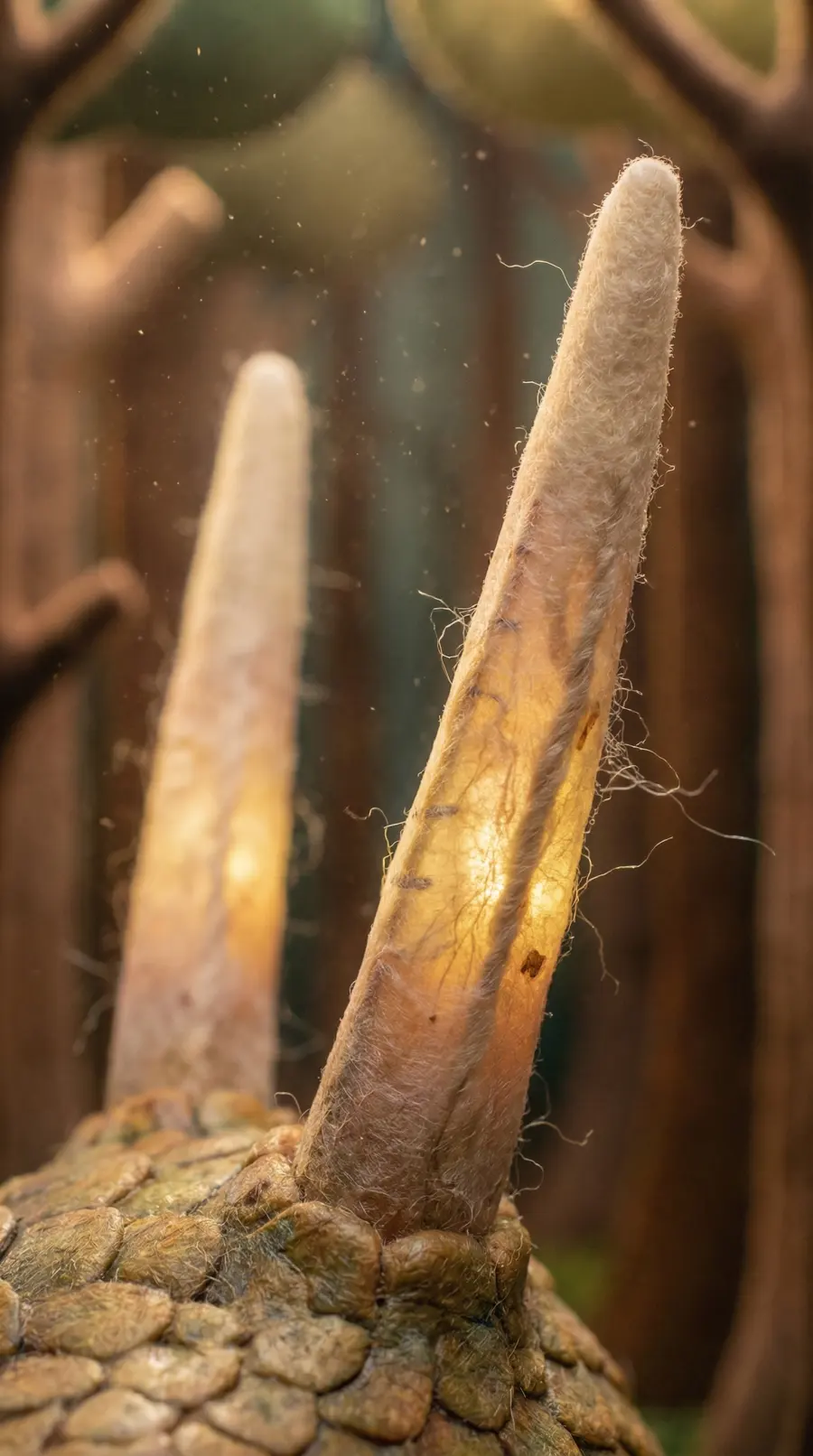
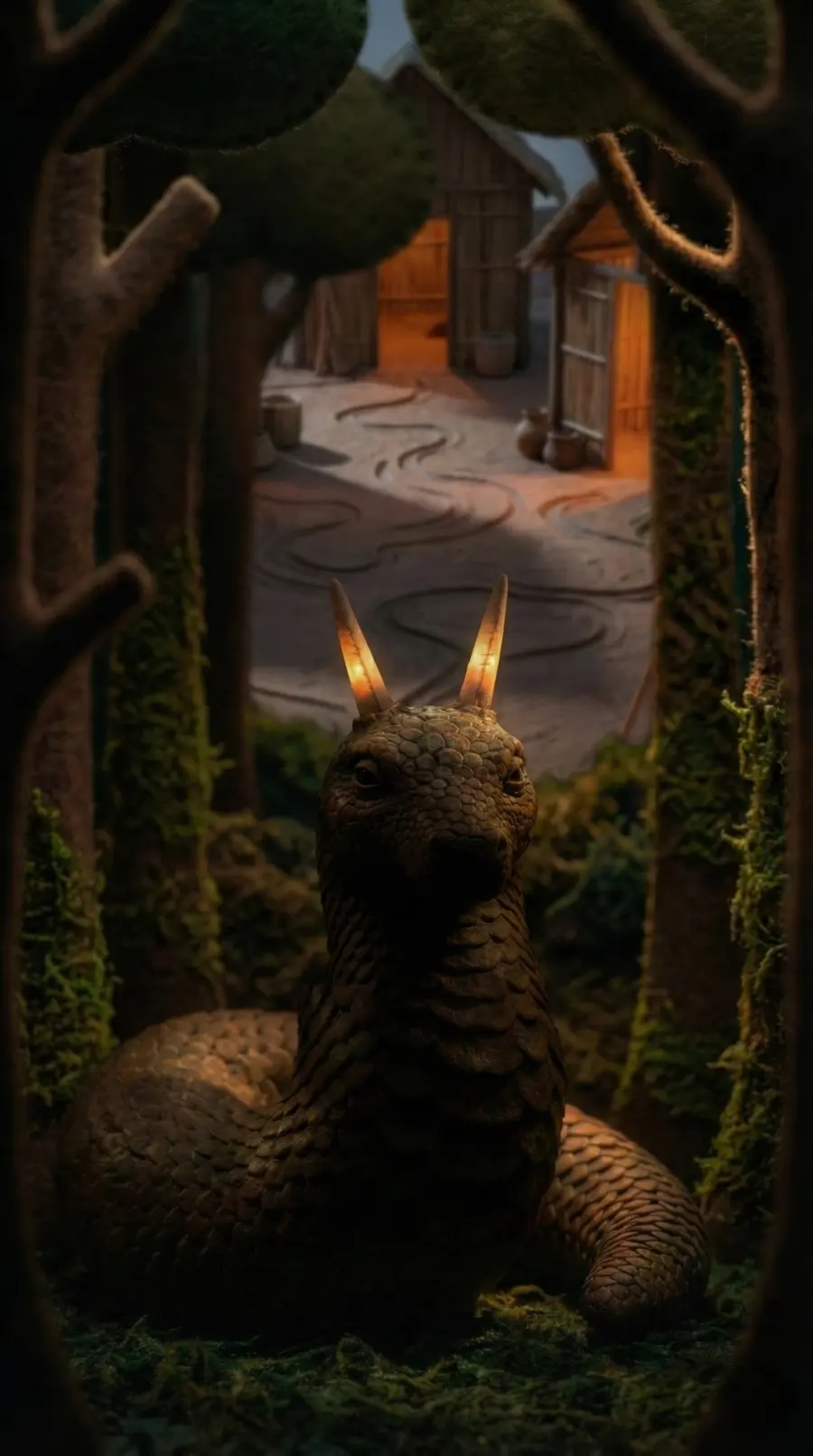
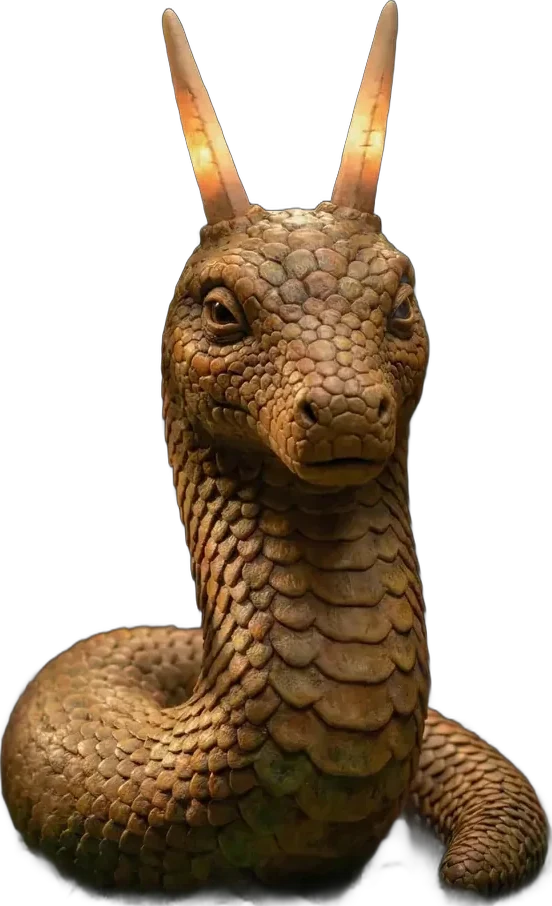
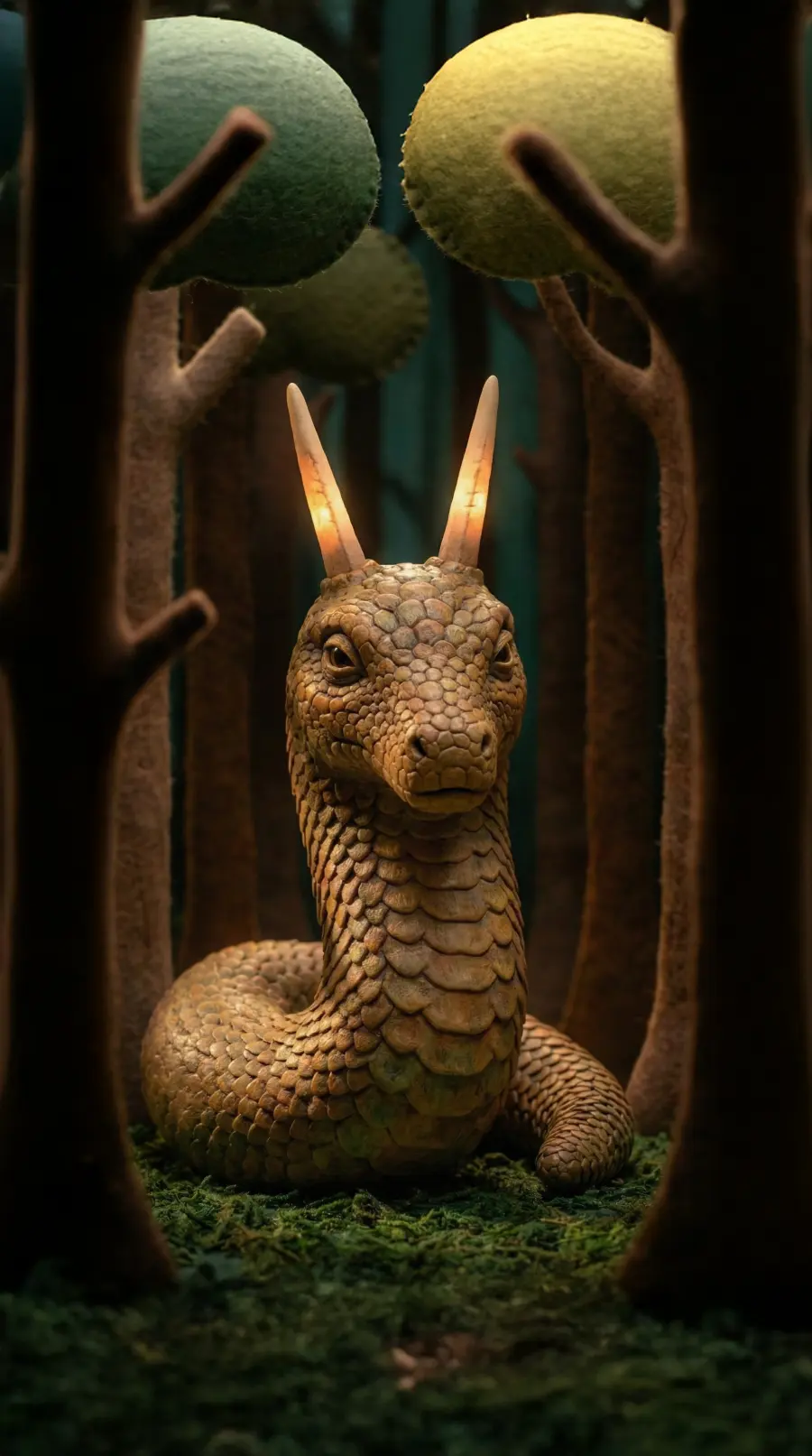
His body, short and thick as a trunk, ended in two straight horns that shone like antennae.
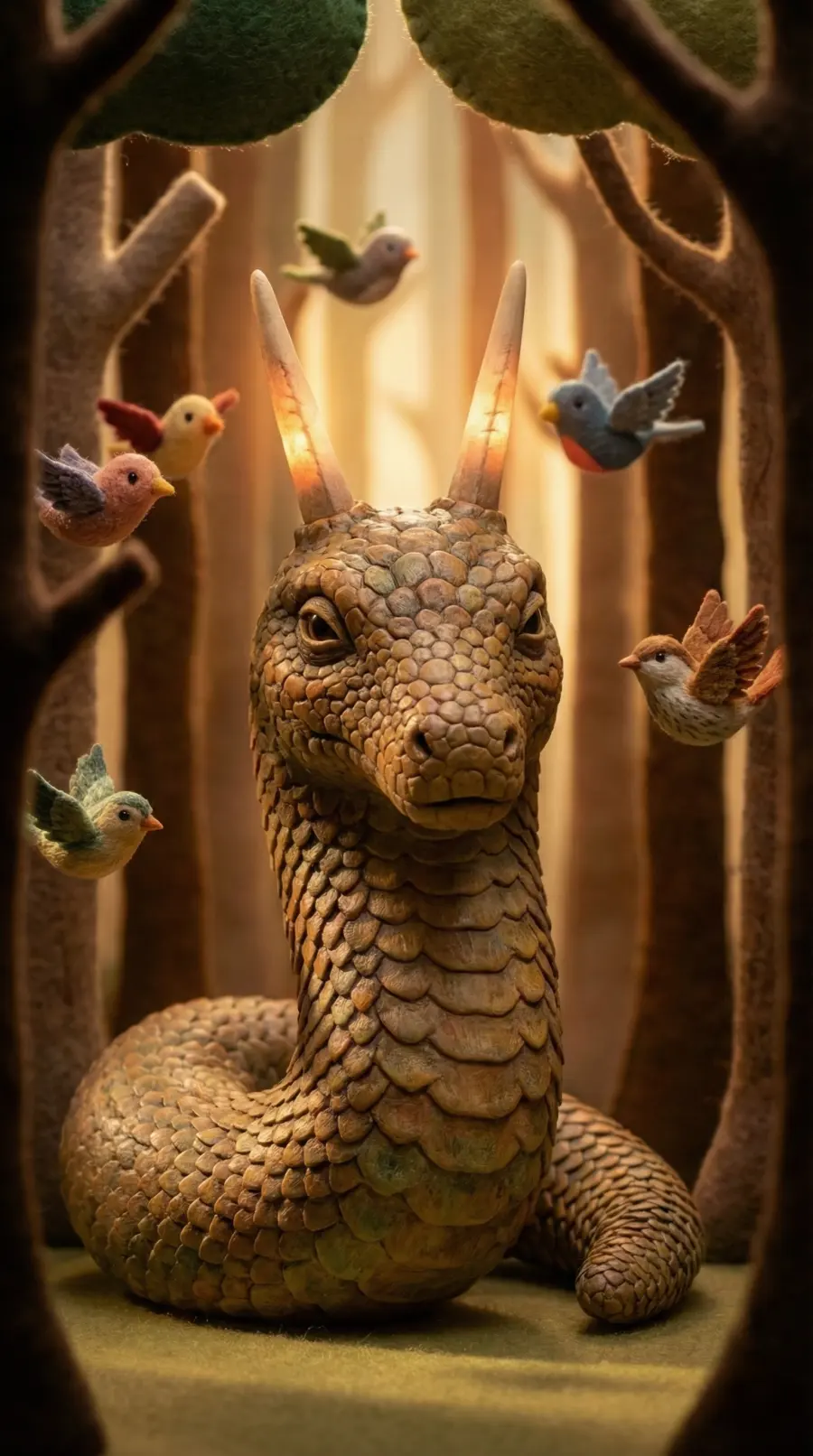
With them he hypnotized birds and prey, and slid through the trees to hunt them.
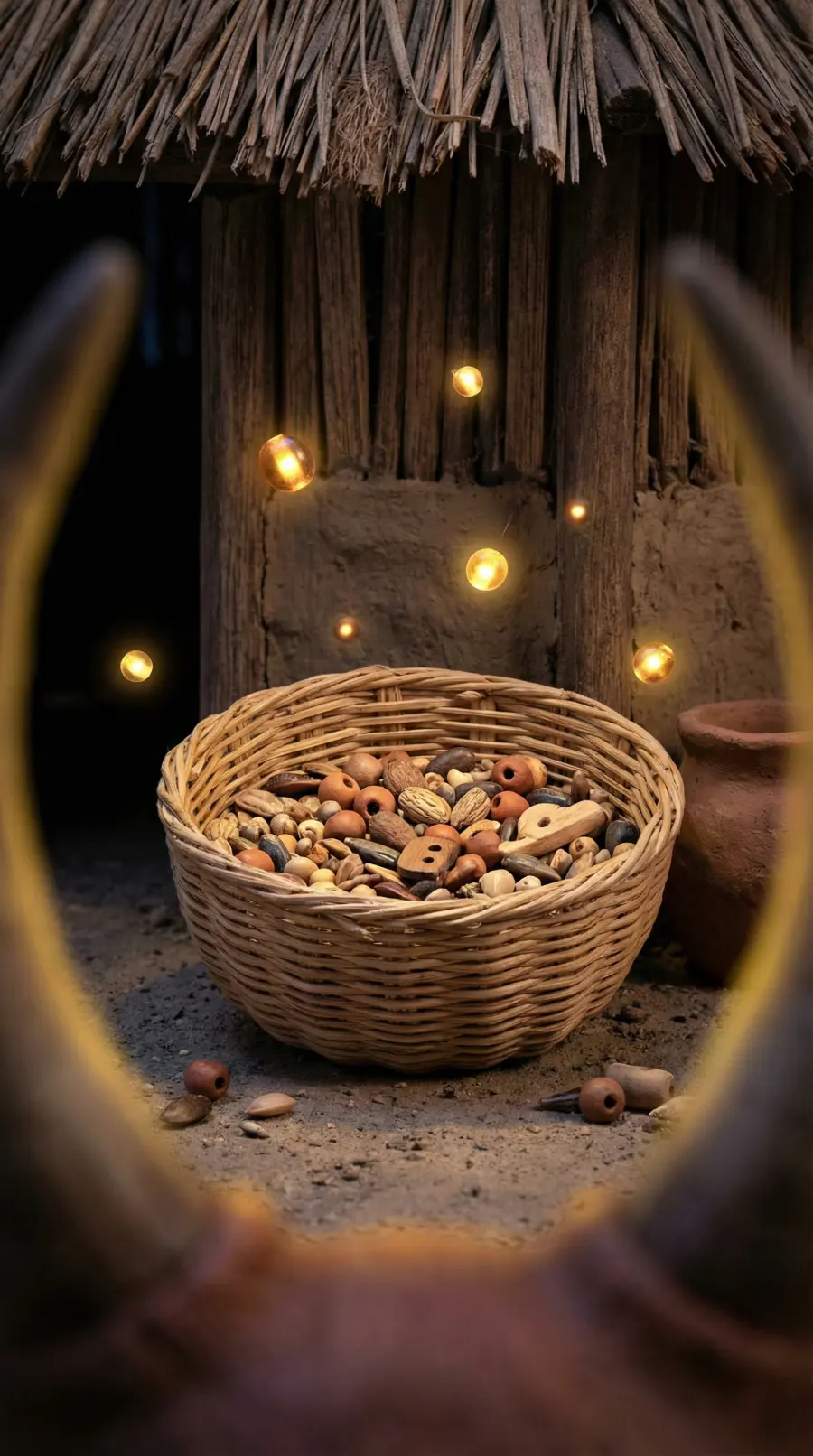
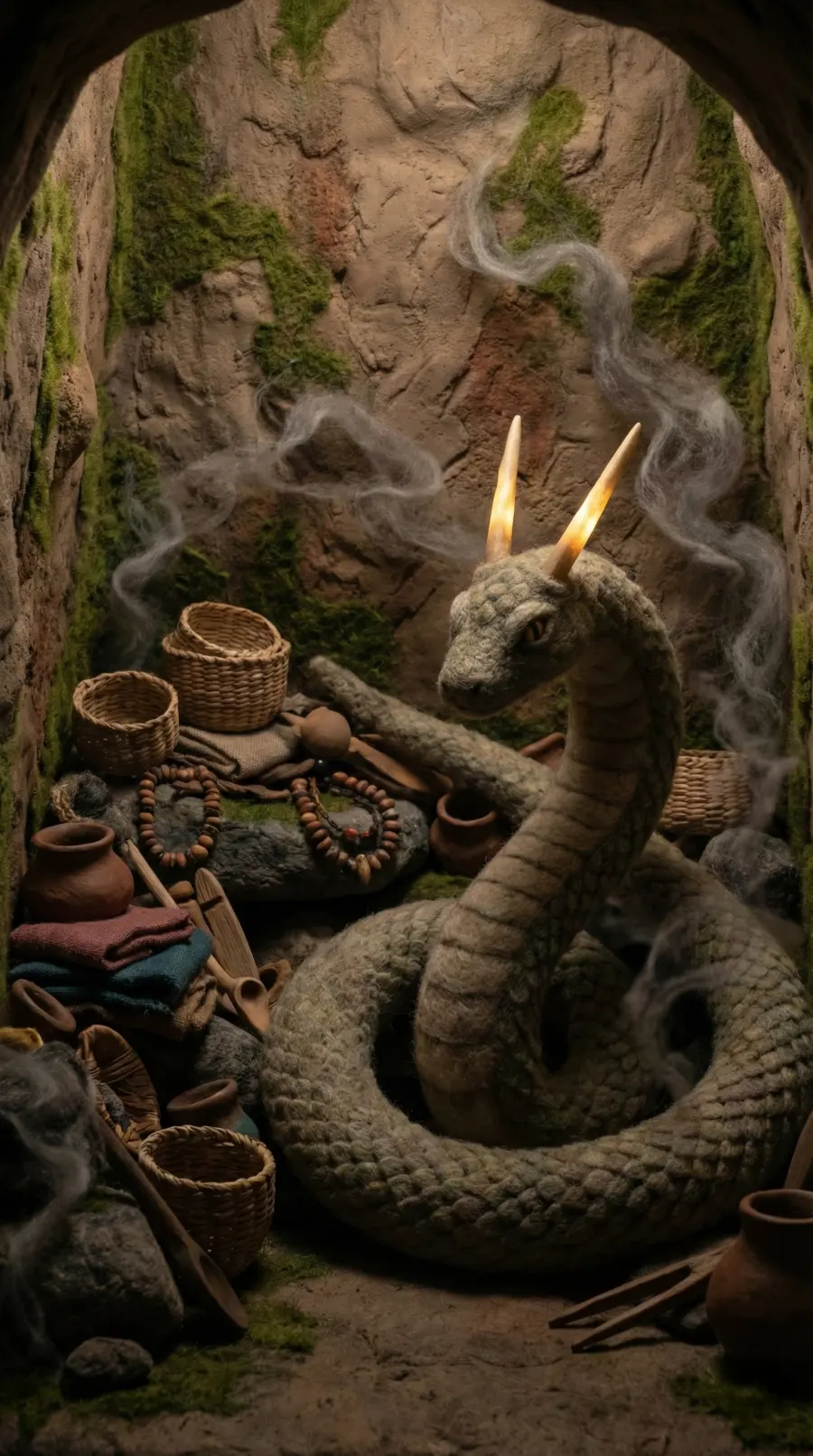
But he was also the craftiest. He stole everything he found in the villages and hid his loot in a cave,
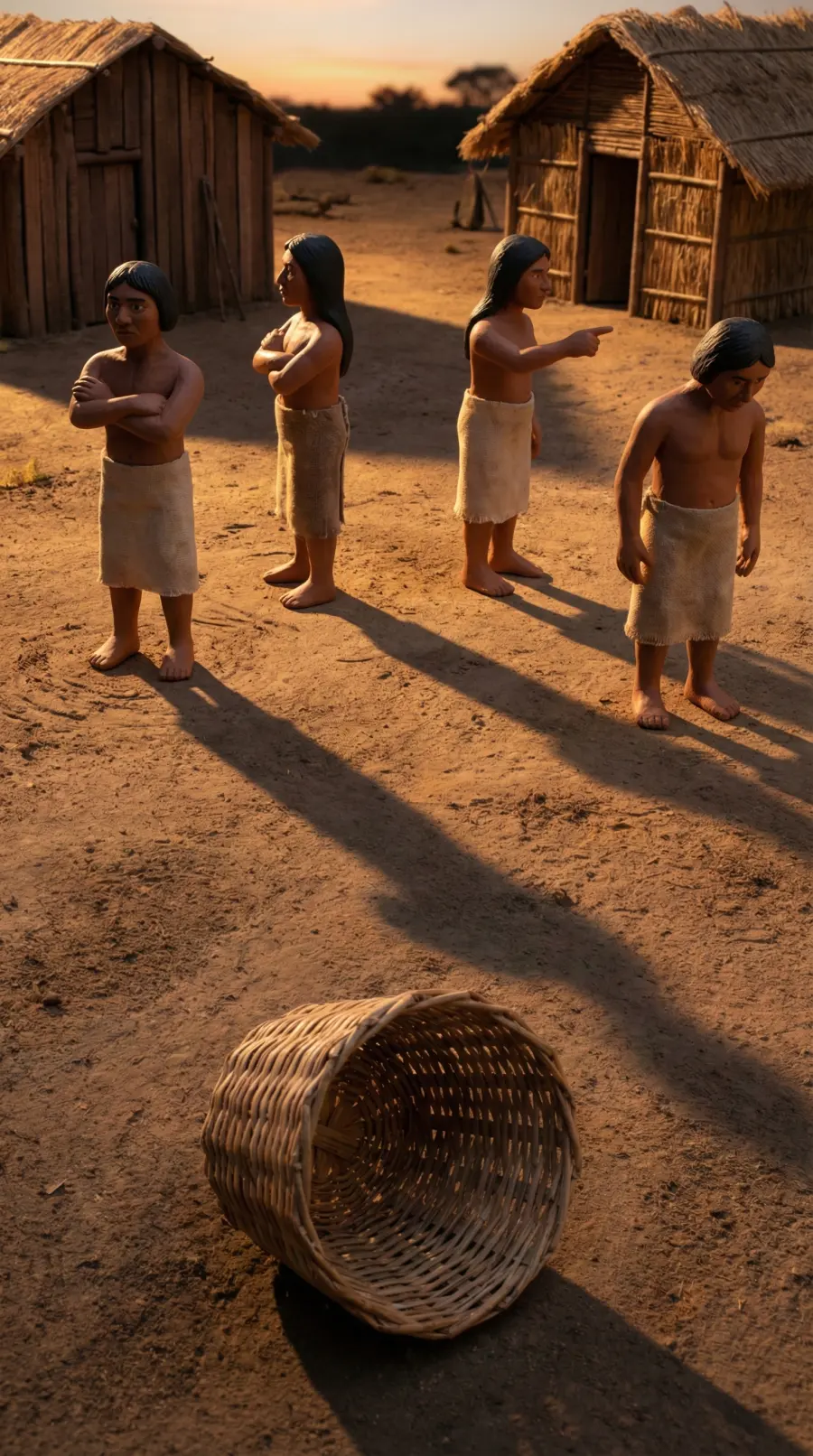
sowing discord among the people.
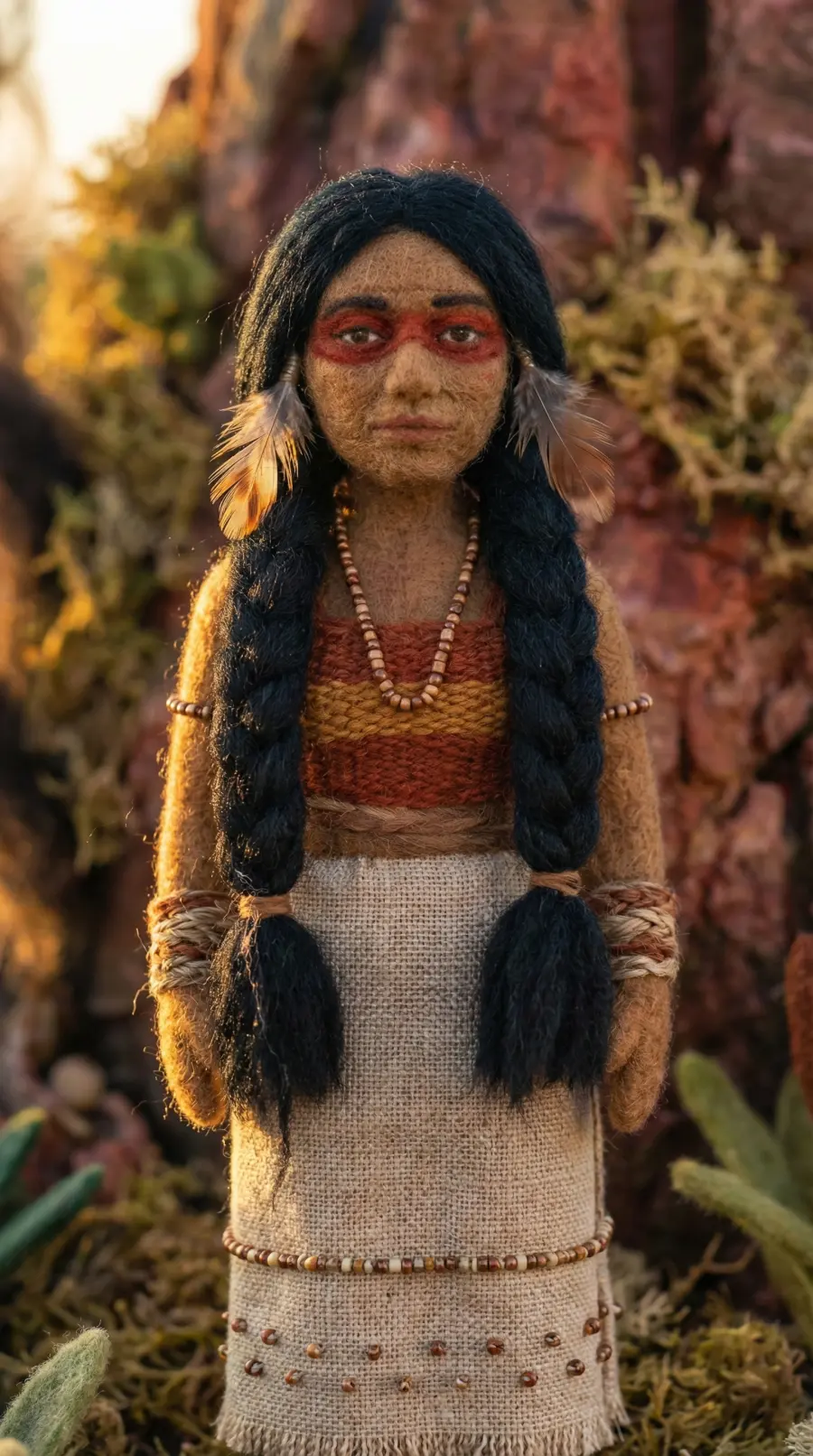
Until Porãsy, a brave young woman, decided to face him.
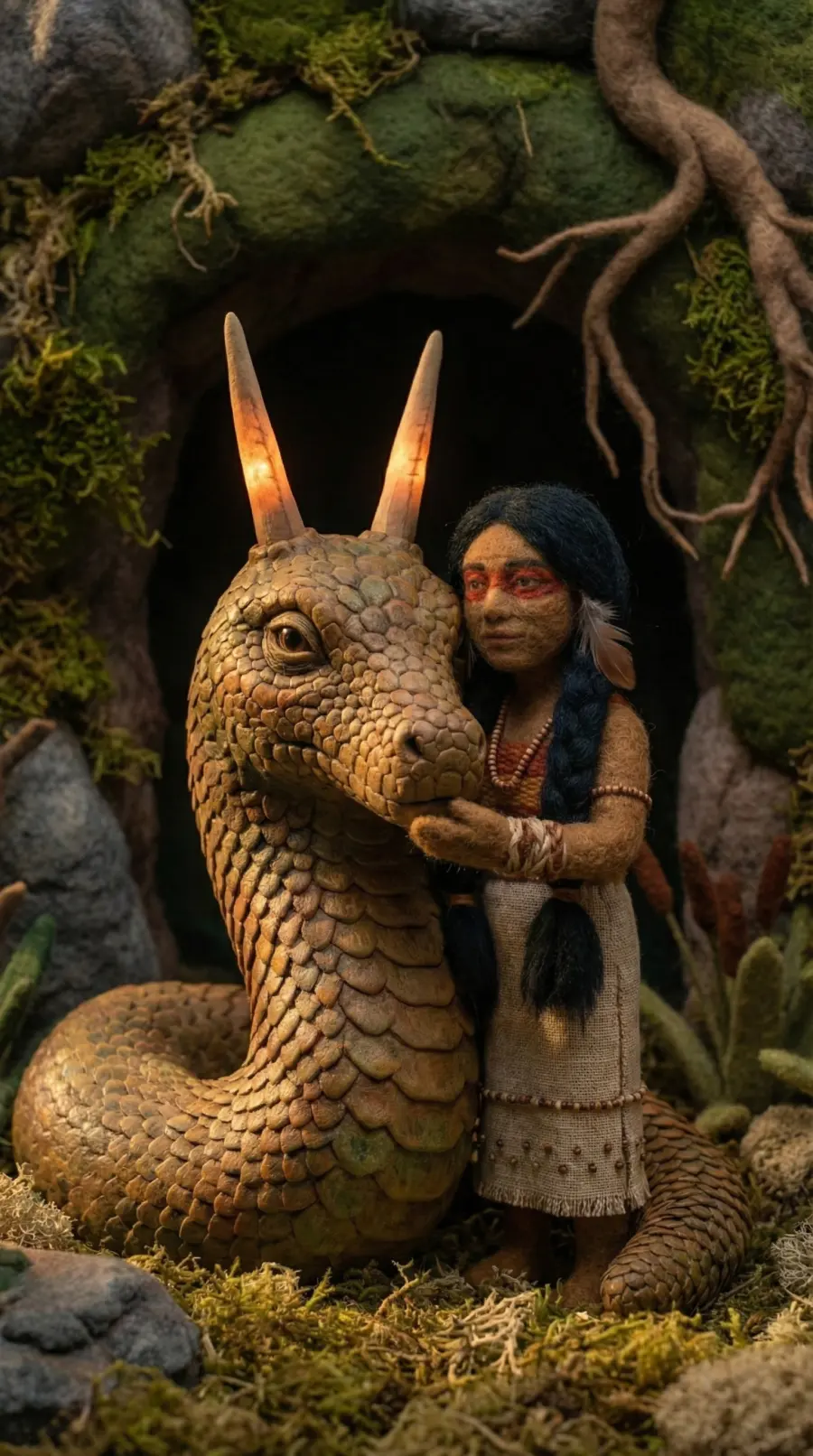
She pretended to fall in love, asked to meet all his brothers and gathered them in the cave.
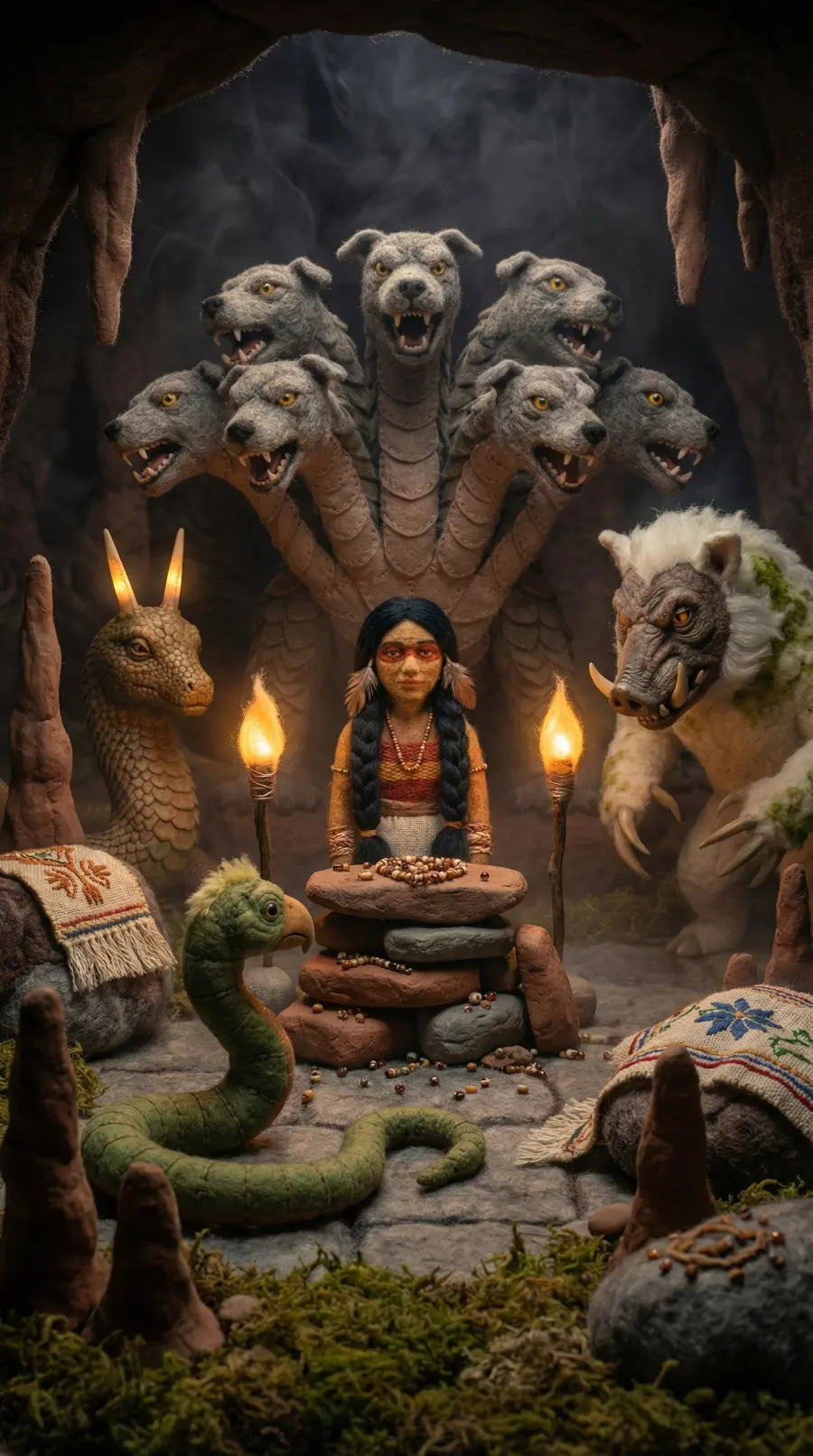
During the false ceremony, Moñái and the others got drunk.
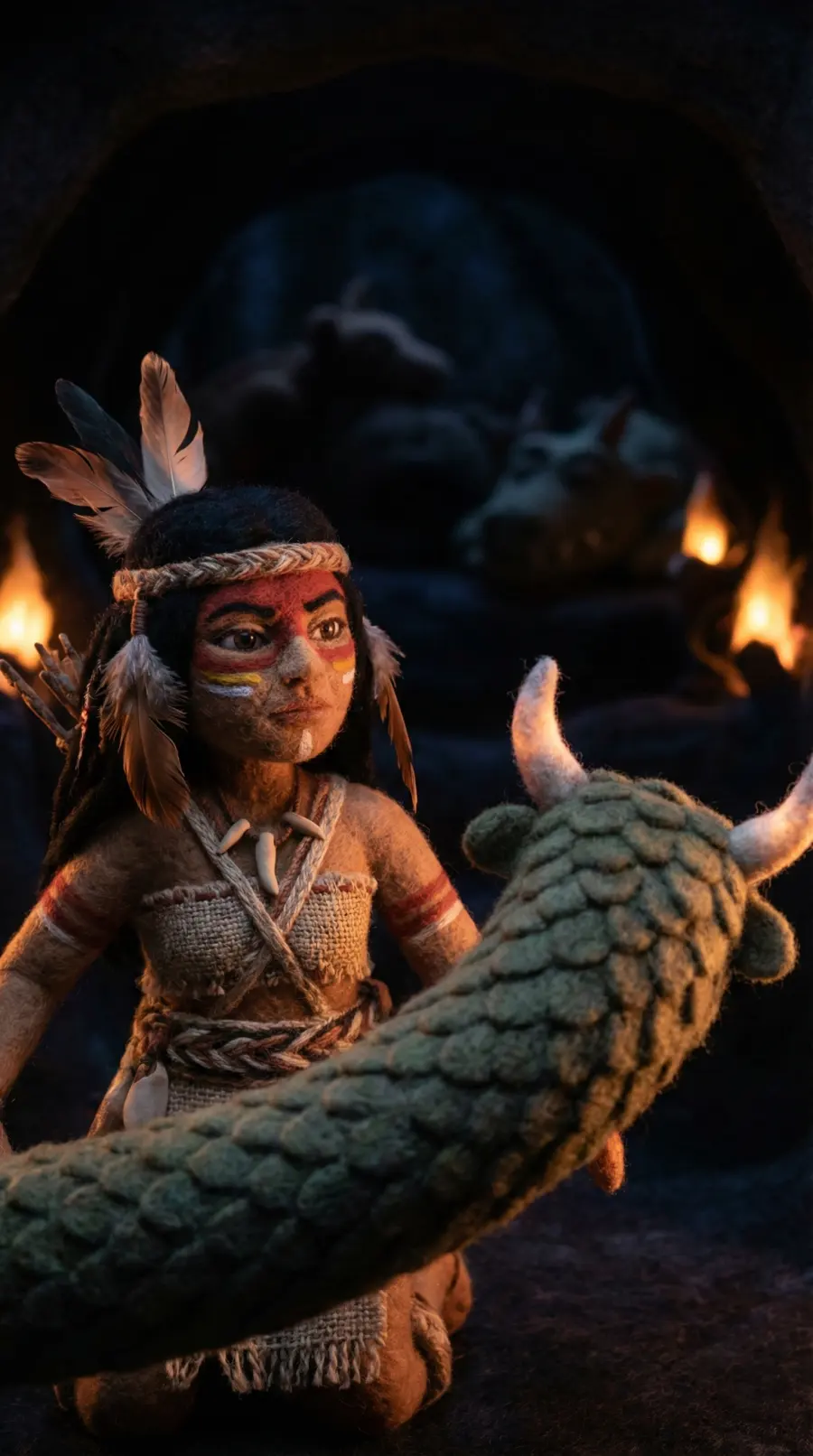
But when Porãsy tried to escape, he caught her with his serpent body and threw her into the dark.
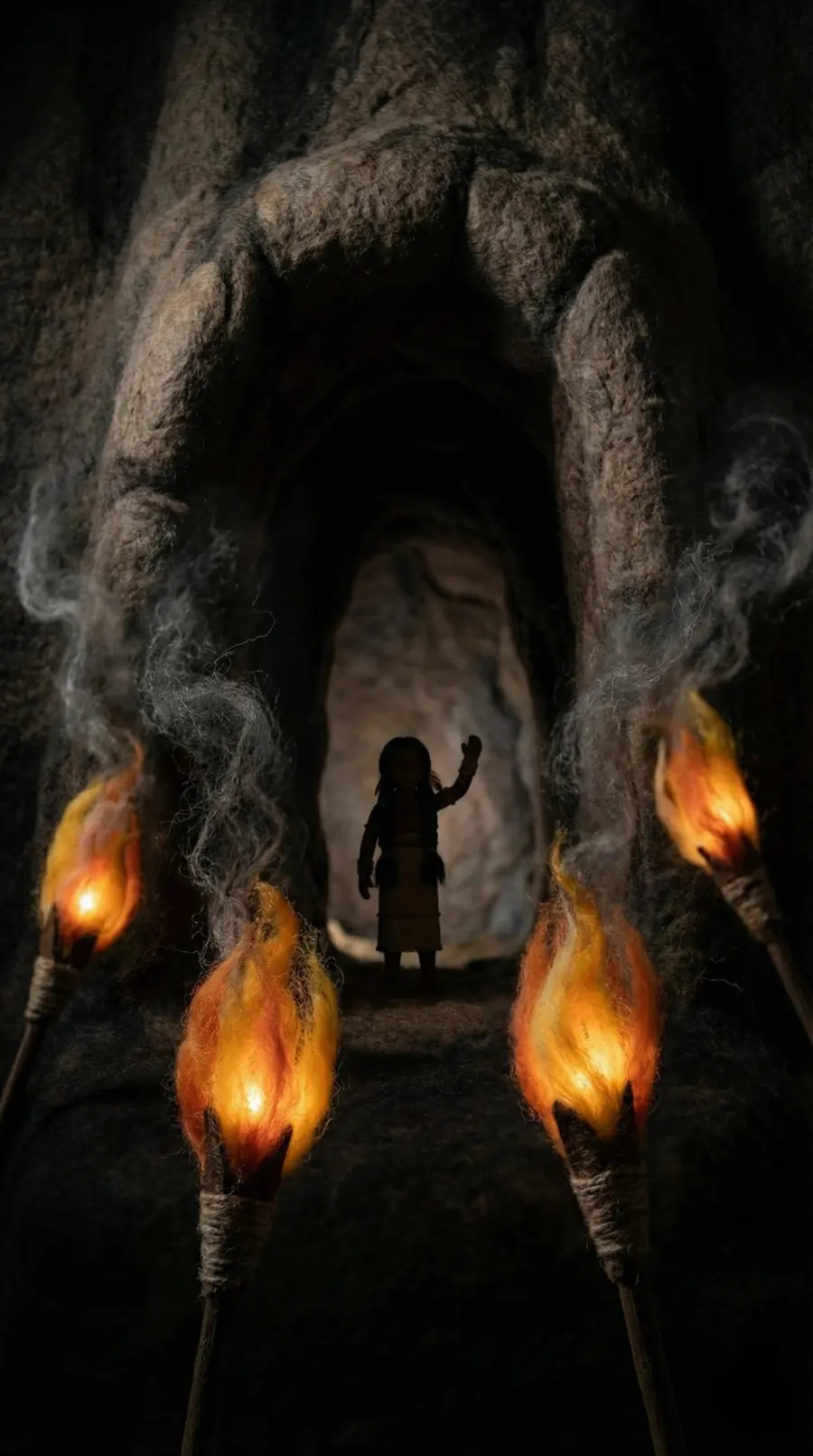
Wounded, she gave the signal.
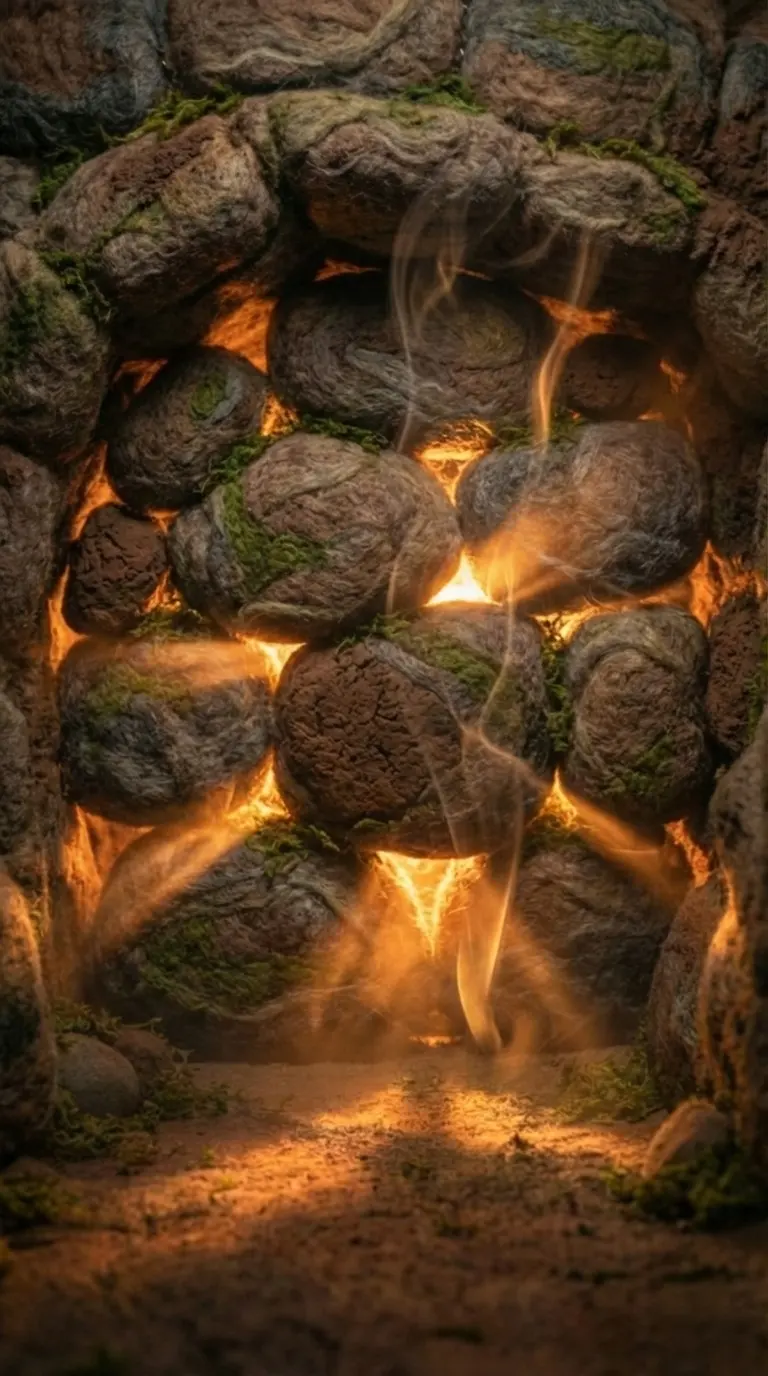
The cave was wrapped in fire, and the echo of Moñái and his brothers was lost forever among the flames.
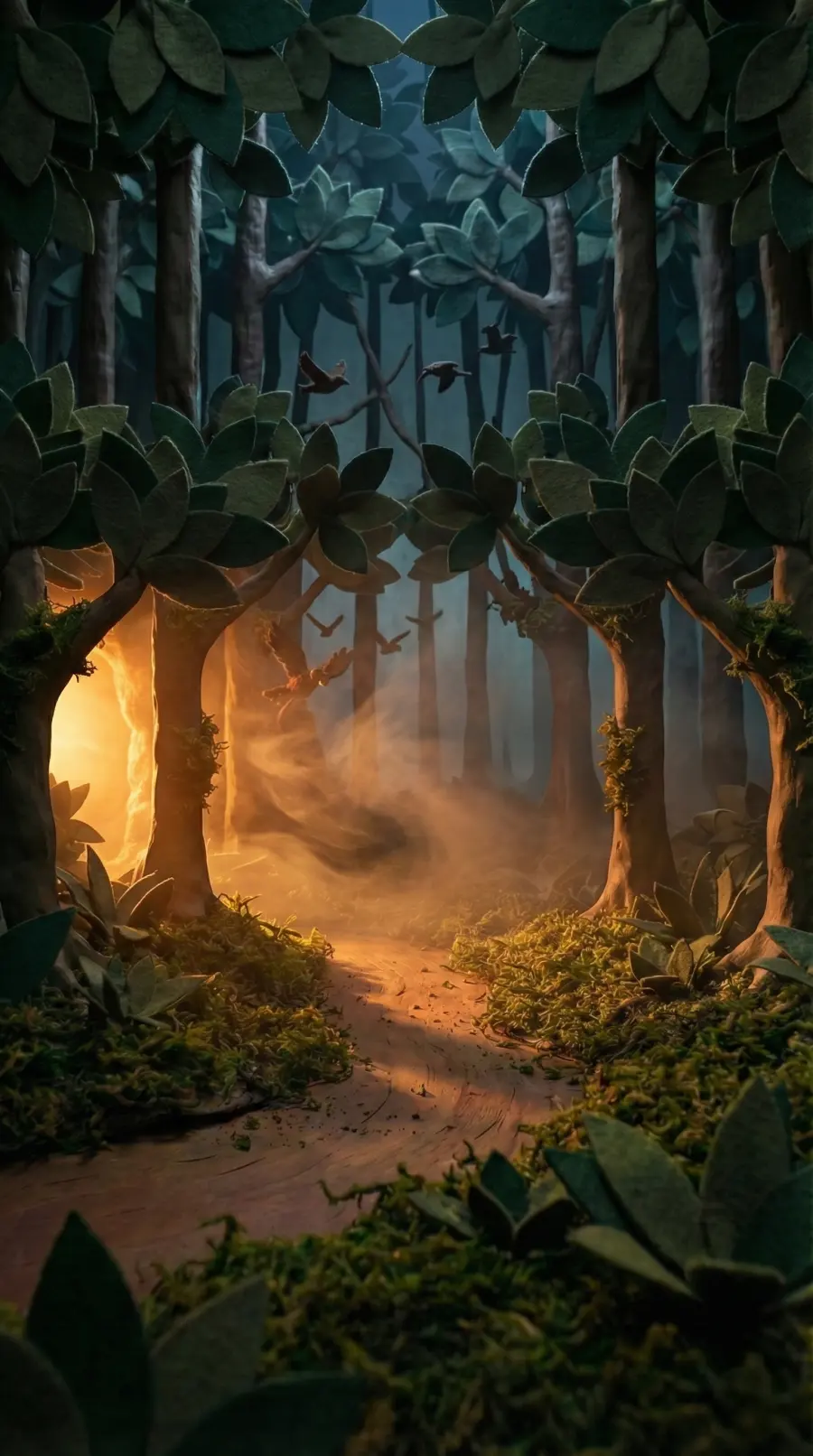
So ended his misdeeds, though their names still travel the ancient Guaraní land.
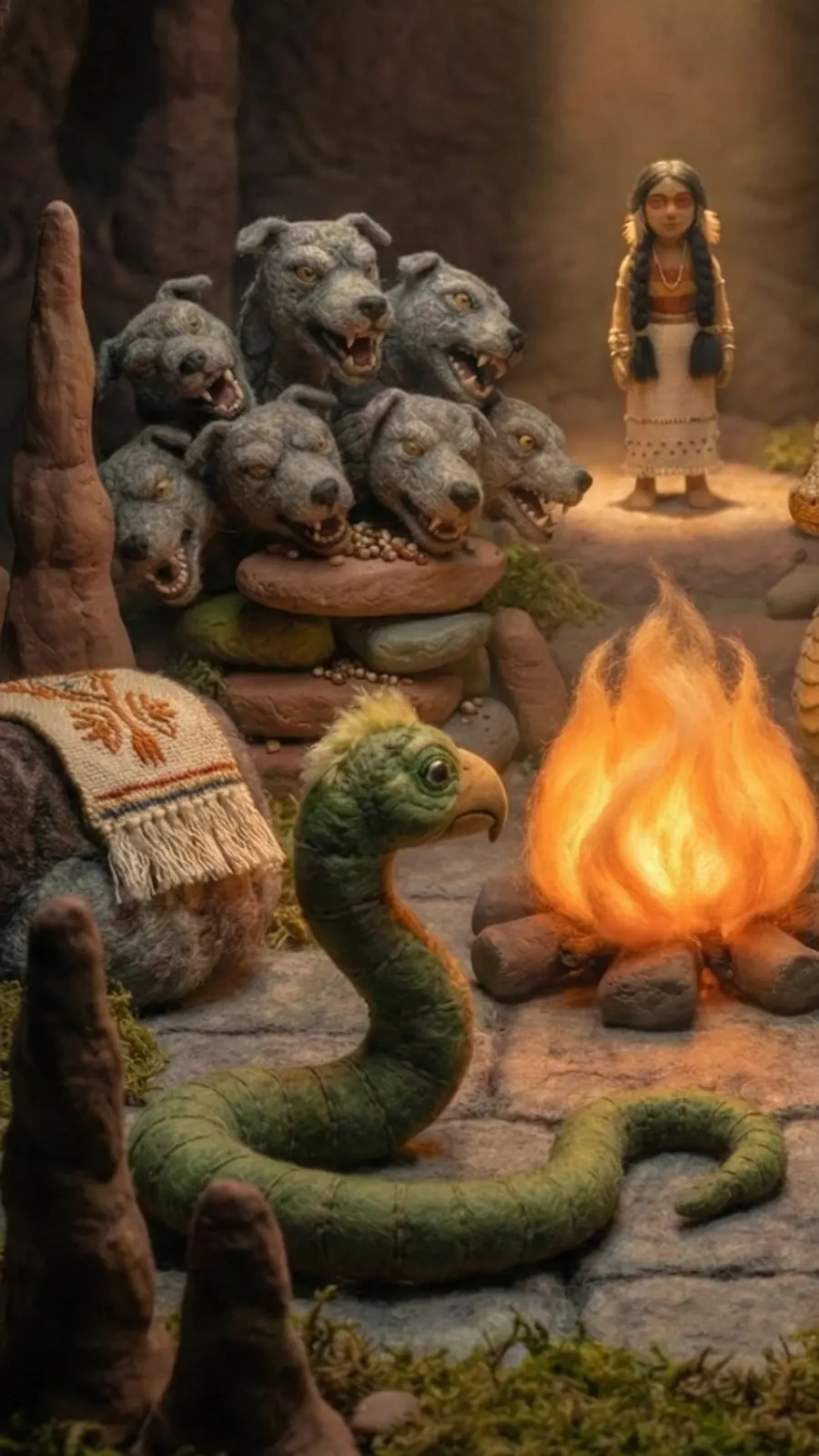
The children of Taú and Keraná did not vanish: they became tales, stories still told by word of mouth.
Sixteen frames, as in stop motion. Slide to animate.
Tap a number to zoom in.
He is the third child, lord of fields, air and birds, and protector of theft.1
Porãsy, sister of Tumê Arandú, pretended to love Moñái and gathered the seven. The brothers got drunk on chicha and the cave was sealed and burned.1
In Colmán, Porãsy dies in the fire and her spirit rises like a firefly to become the morning star, Mbyja Ko'e. This saga ends earlier, with the signal and the fire.1
The antenna-like horns and short body come from popular descriptions. Colmán does not describe his body.231
Colmán places one cave at Cerro Kavaju in Atyrá and the site of the fire, Moñái Kuare, in Yaguarón.14
Setting this story in the Land Without Evil is a license of this saga.5